Sudan Crisis Response
Providing food, shelter and emergency aid to Sudanese families displaced by war. DonateTake action for Sudan
Sudan is facing one of the world’s worst humanitarian crises. Since conflict escalated in 2023, millions have been displaced, famine has spread, and civilians have suffered extreme violence. Nearly two million people have fled to Egypt, where many face homelessness, poverty and limited access to basic services. Others have attempted the dangerous journey by sea to reach European borders, in particular the islands of Greece.
Refugee Biriyani & Bananas works with local partners and communities in Cairo and the Greek island of Chios to provide food, hygiene supplies, shelter and community-led support. With your generosity, our programmes have delivered thousands of safe shelter nights and continue to reach vulnerable Sudanese and South Sudanese families, while also investing in community leadership for long-term recovery.
Table of contents:
- A history of conflict →
- Atrocities, famine and fleeing Sudan →
- Assessing Sudanese community needs in Cairo →
- Aid distributions →
- The Cairo emergency shelter project →
- Volunteer engagement and leadership →
- Helping other groups in Cairo →
- The Sudanese community in the Greek islands →
- Supporting The Long Walk of Freedom for Sudan →
- A community story from Cairo →
A history of conflict
Located in northeastern Africa, Sudan has a centuries-long history of harsh rule by various colonial empires. Even since its independence in 1956, the internal fight for political, ethnic and religious control and for mineral wealth ownership has featured a series of violent uprisings and dictatorships.
Sudan’s warring history is complex with a number of players involved in the power struggle. One starting point for understanding more recent events is 1989, when President Omar al-Bashir rose to power through a coup. For the next 30 years, his cruel dictatorship was associated with human rights violations including torture and ethnic genocide. Between 200,000 to 400,000 were believed to have been killed under al-Bashir’s rule. It took another army coup to topple the al-Bashir regime, which resulted in the establishment of a new government. Years of conflict and political instability also shaped the eventual independence of South Sudan in 2011, after decades of violence and displacement affecting communities across the region.
In 2021 Sudan’s government was again overthrown by armed forces leader General Abdel Fattah al-Burhan and his deputy General Muhammad Hamdan Dagalo, leader of the Rapid Support Forces (RSF). Dispute then arose between these two parties over power-sharing and how the country should be managed. The violence which erupted in 2023 led to protracted fighting between RSF and the Sudanese Armed Forces which continues to this day.
Atrocities, famine and fleeing Sudan
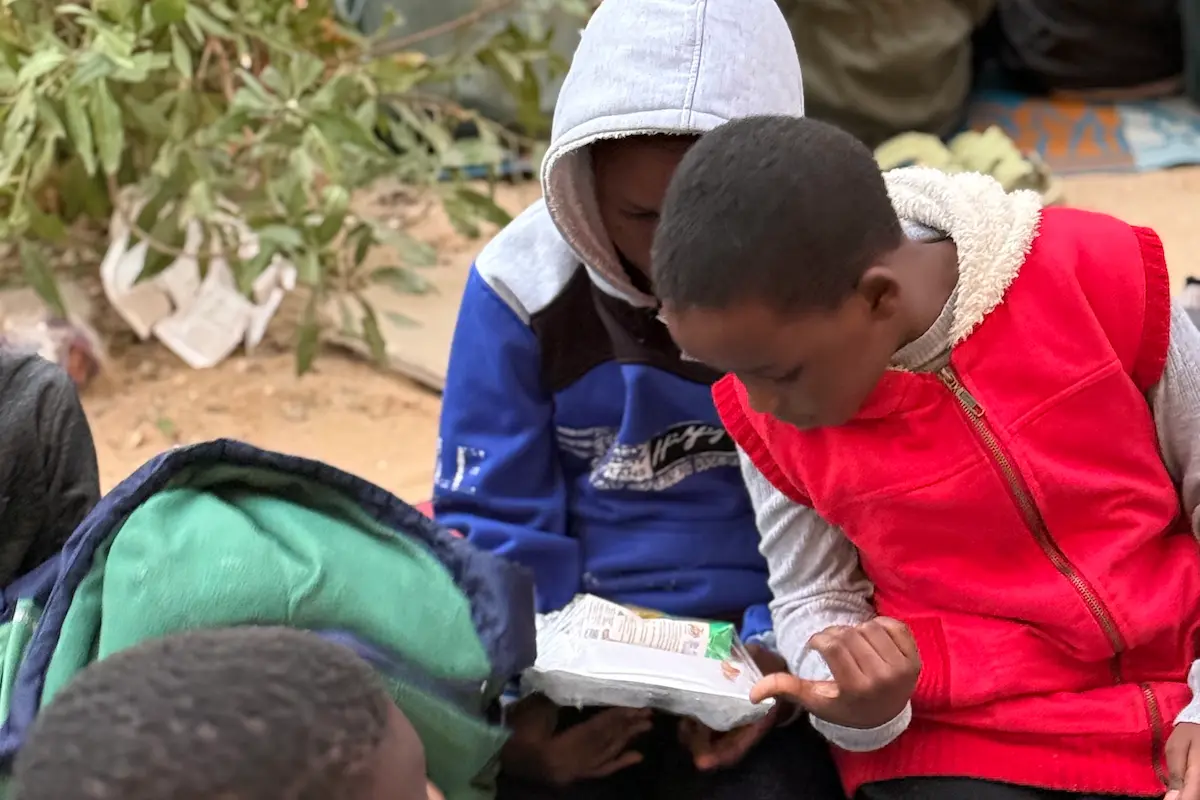
Throughout the latest conflict, Sudan’s Darfur region has been among the worst affected. Civilian groups including the Masalit, Fur, Zaghawa, Berti and Tama communities have all been targeted. Fighting between 2003 and 2008 resulted in approximately 300,000 deaths in Darfur alone. In October 2025, the RSF captured the city of El Fasher, where a blockade had already caused starvation. The RSF systematically carried out torture, rape and executions on a mass scale among the civilians before moving into other regions. At the Saudi Maternity Hospital, around 500 patients, relatives, health workers and others who had come to the building seeking refuge were reportedly killed by RSF members.
The overall death toll remains uncertain, largely because of deliberate misinformation and communication blackouts. Data collated by the UN Office for the Coordination of Humanitarian Affairs (OCHA) has indicated that fatalities may run into at least the high tens or even hundreds of thousands. As of March 2026, more than 24.6 million Sudanese people are estimated to be experiencing acute food insecurity. Famine has been declared in El Fasher and Kadugli (in South Kordofan) since late 2025. Other regions throughout Sudan have been at serious risk of famine.
Fleeing Sudan itself is dangerous: the RSF guards many of the crossing points. Despite these dangers, more than four million people have fled Sudan to neighbouring countries since the conflict began in April 2023. Those who make it to the border camps in neighbouring countries arrive with little money or possessions. Even there, the violence continues with women and girls particularly vulnerable to sexual violence.


Assessing Sudanese community needs in Cairo

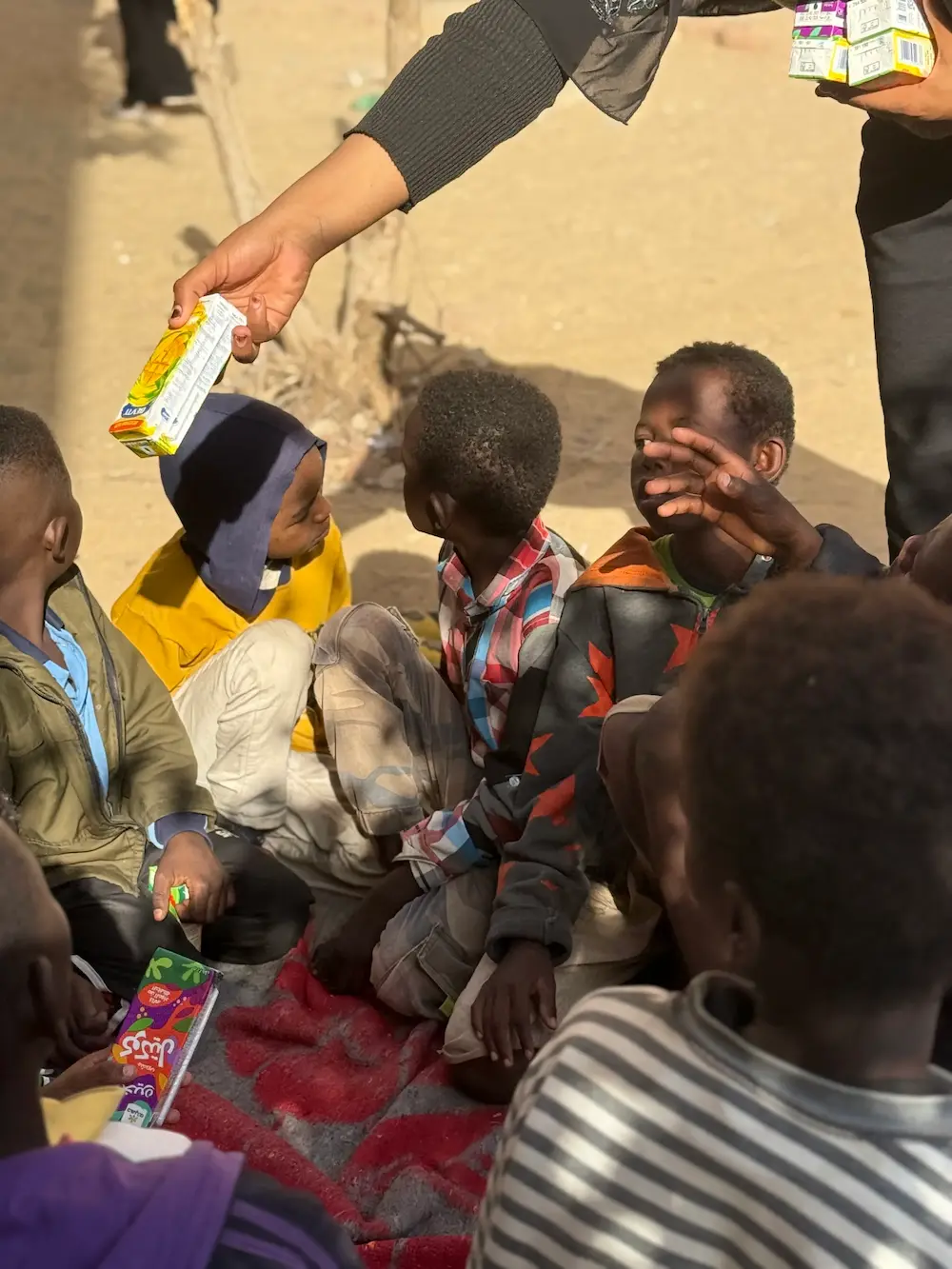
Egypt is now reported to be the country receiving the highest number of displaced people from Sudan. Accurate figures are difficult to obtain, as many are not registered for asylum. A combination of the UN Refugee Agency (UNHCR) data and information from local sources suggest that there have been nearly two million arrivals in Egypt as of April 2026.
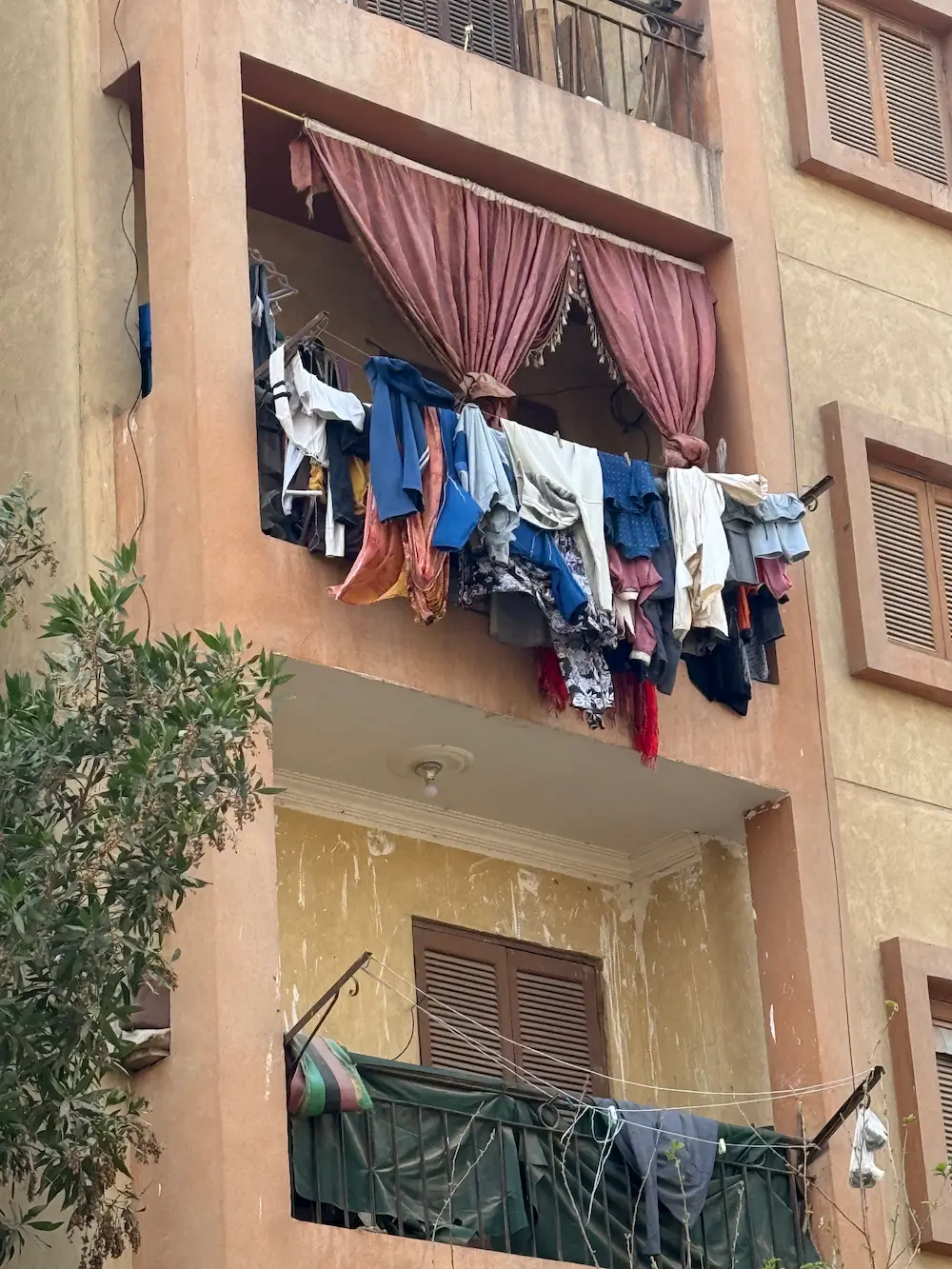
The demand for shelter in Cairo quickly reached breaking point. Overcrowding has led to a severe decline in living conditions, particularly for those in the social housing area known as Osman Housing (located in the 6th of October district) and in Faisal and Nasr City. A few aid organisations responded to this new crisis by providing food and drink, mattresses and floor mats but were soon overwhelmed by the numbers of arrivals.
RBB has been active in Cairo since late 2023, supporting those who fled Gaza, Yemen and Somalia. During 2024 and 2025, at the request of Sudanese and Yemeni volunteers, RBB carried out a number of needs assessment exercises. The work was driven by conversations about critical gaps in humanitarian care and concerns that some communities were overlooked by aid organisations, becoming further marginalised as a result.
Information was collected from observations on the ground and via local partners. Using first-hand knowledge of RBB team members from communities on the Greek island of Chios, we were directed to important hotspots in Cairo where groups gathered for support and services. We also networked with other grassroots organisations to deepen our understanding of the situation.
Examples of findings have included:
- An extremely high level of homelessness and poverty among Sudanese arrivals in Cairo.
- Those who manage to find shelter often live in overcrowded and unsuitable accommodation, often lacking essentials.
- Malnutrition, reflecting food insecurity as a result of economic hardship and famine in Sudan.
- Procedural, legal and documentation related difficulties are regular barriers to registering for asylum. Unregistered individuals face detention and deportation back to Sudan.
- Issues of physical safety and risk of exploitation, particularly among women and unaccompanied children.
- Sexual violence is frequently used as a weapon of war in Sudan against women, men and children (even as young as one year old). Survivors arrive in Cairo without access to specialist physical or mental health care. Sexual violence may be unreported due to stigma, leading to social isolation and the risk of further long-term trauma.

Aid distributions
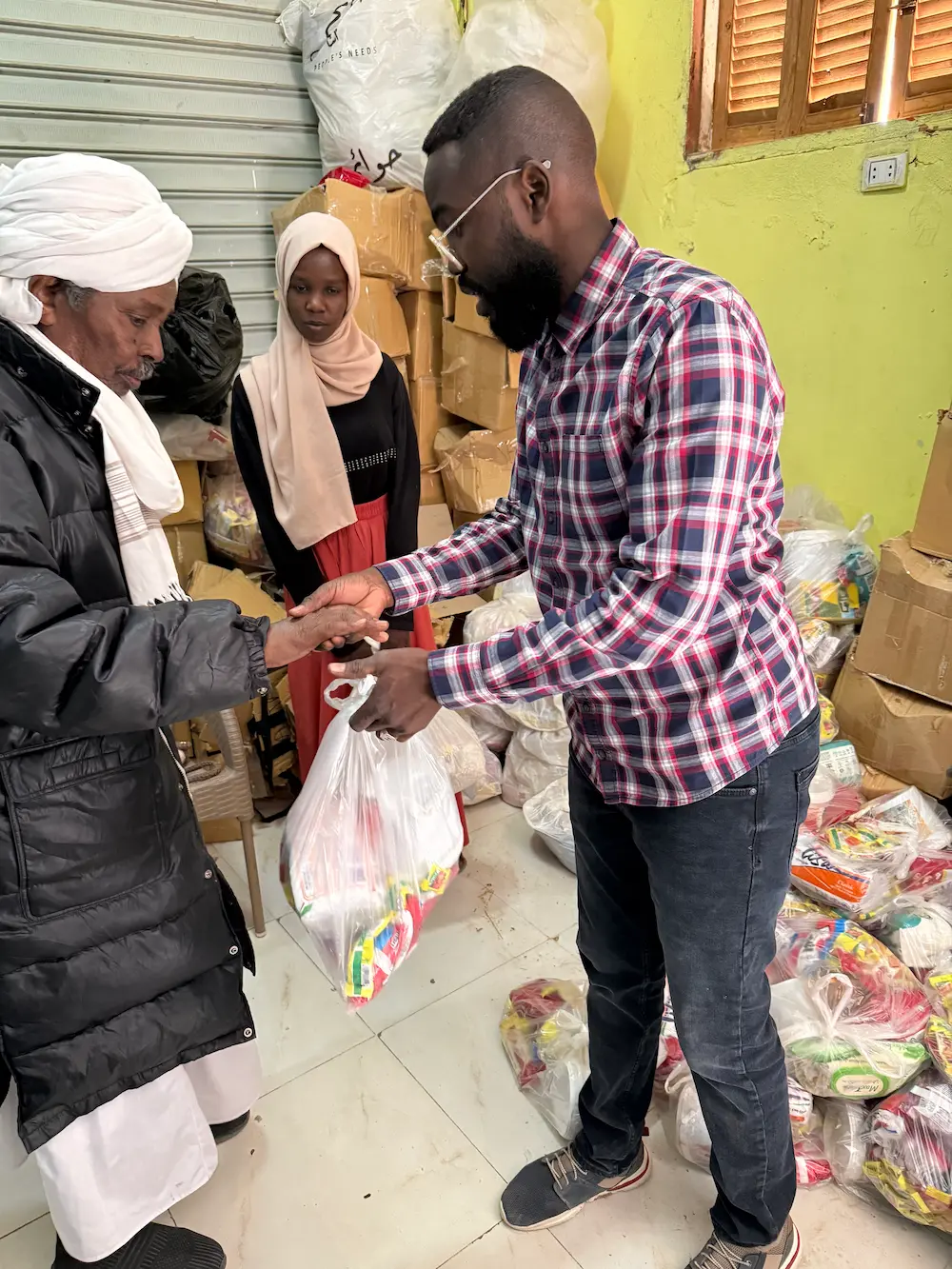
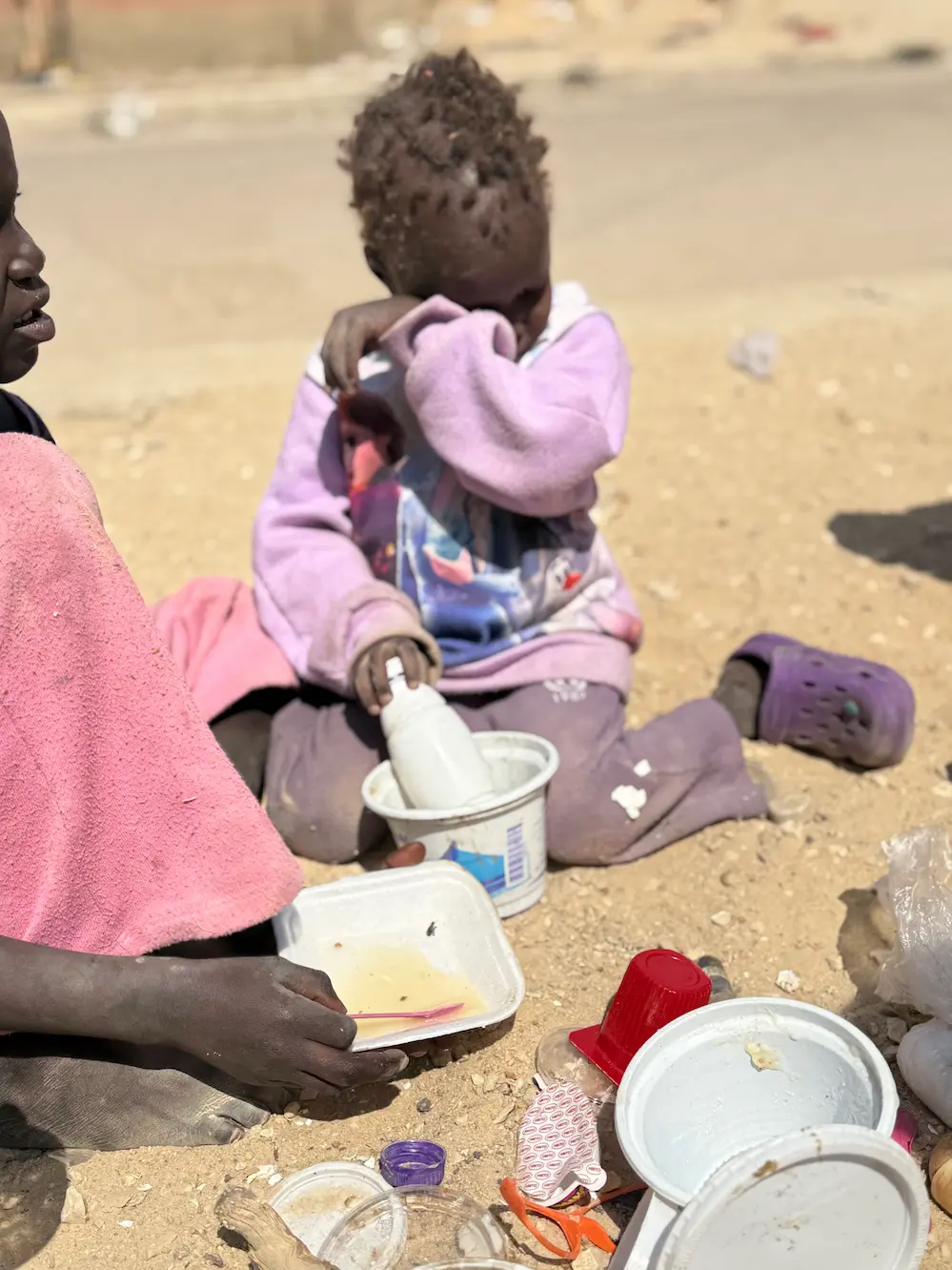
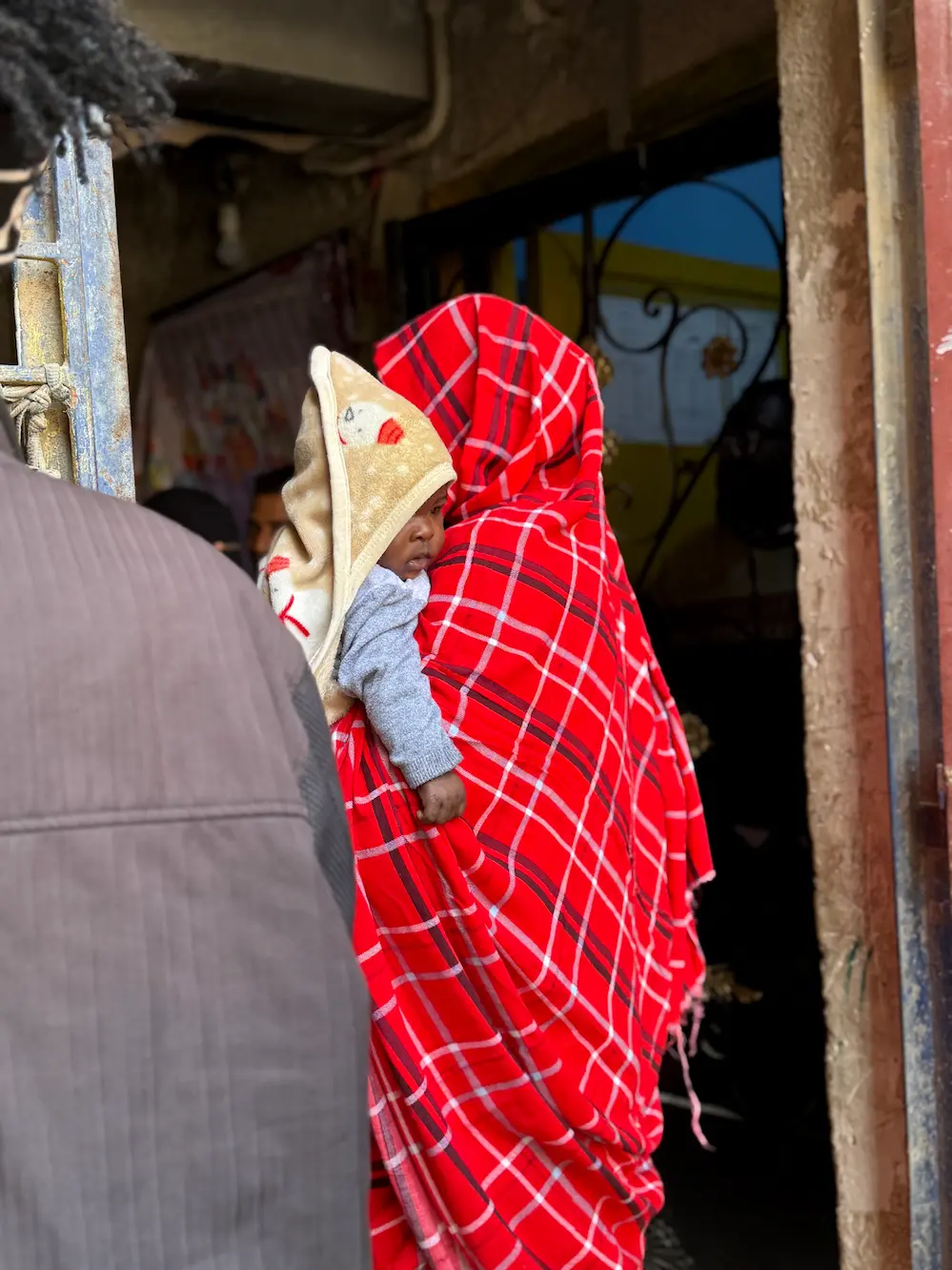
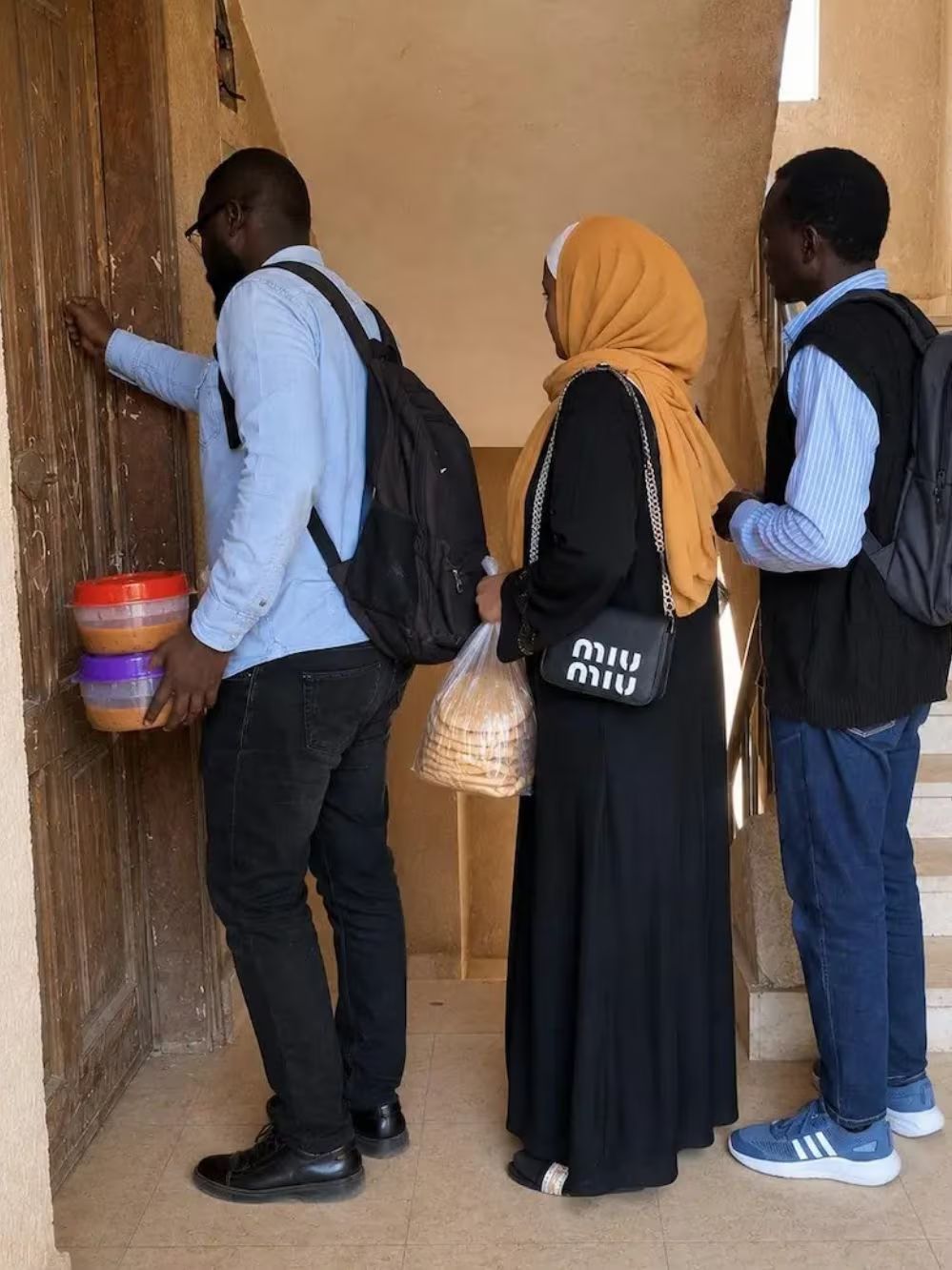
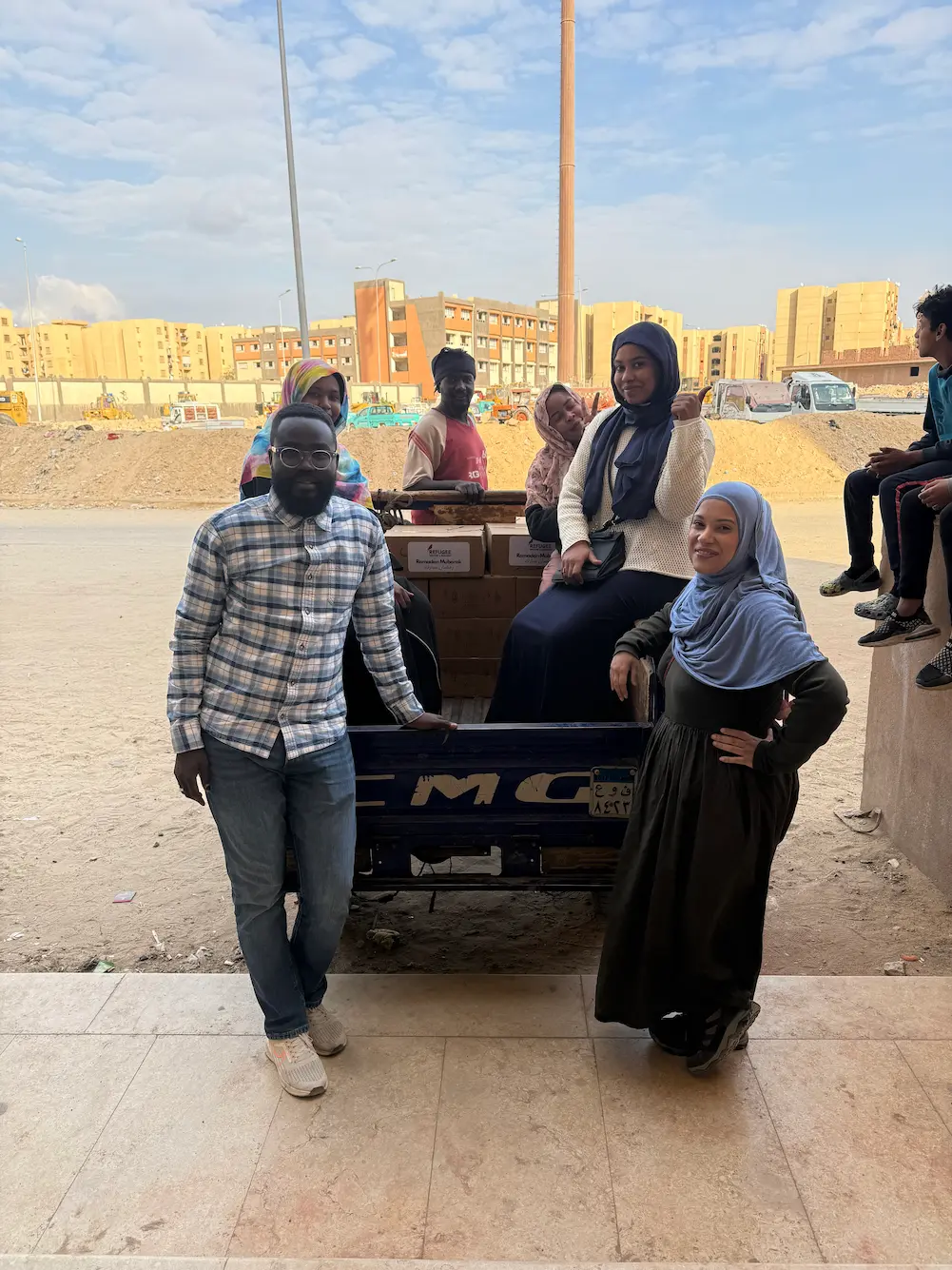
To help ensure that support reaches overlooked communities, RBB works alongside local organisations, volunteers and displaced people to coordinate projects, procure essential items, establish aid distribution networks and respond to ongoing needs across Cairo.
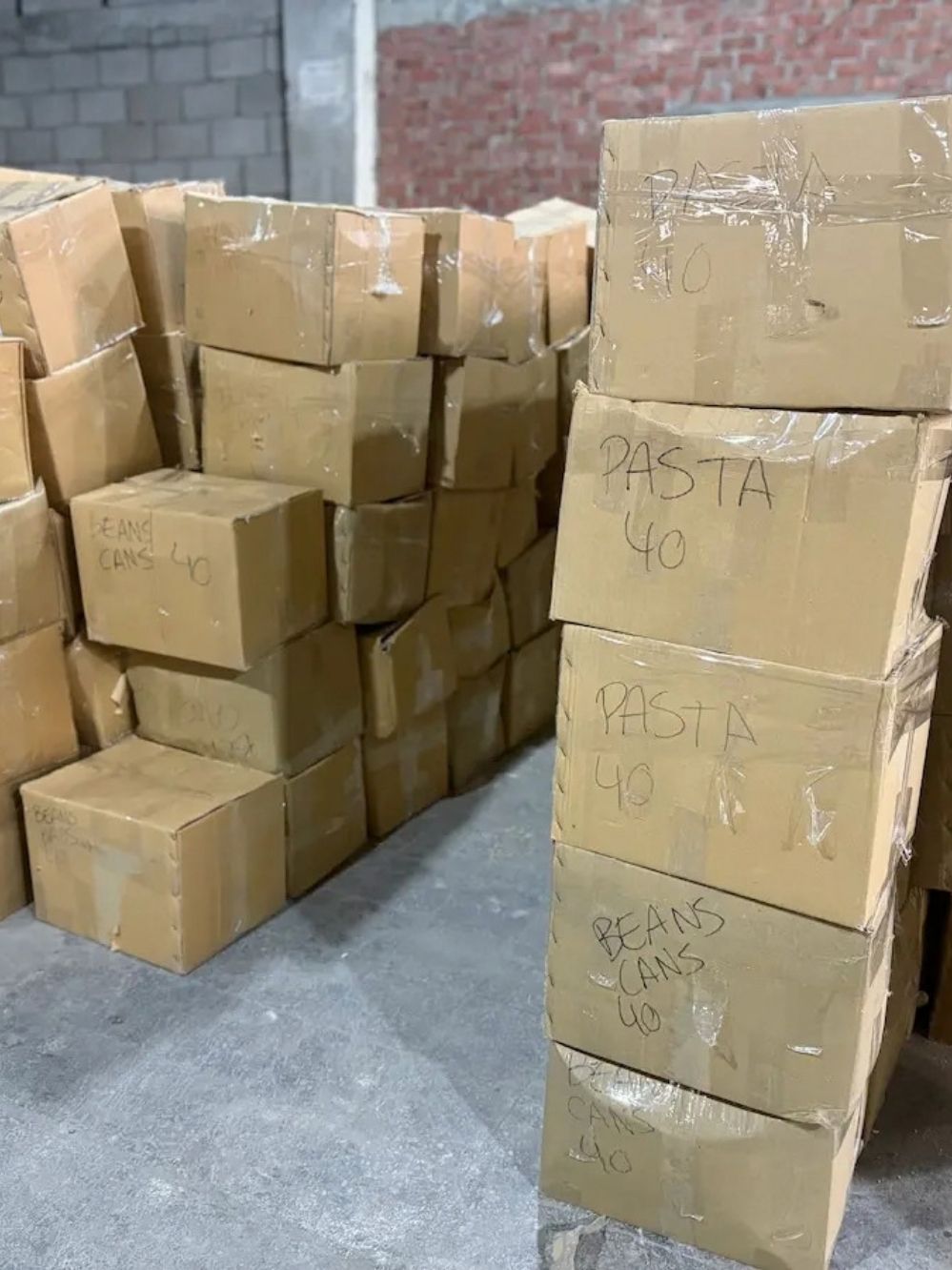
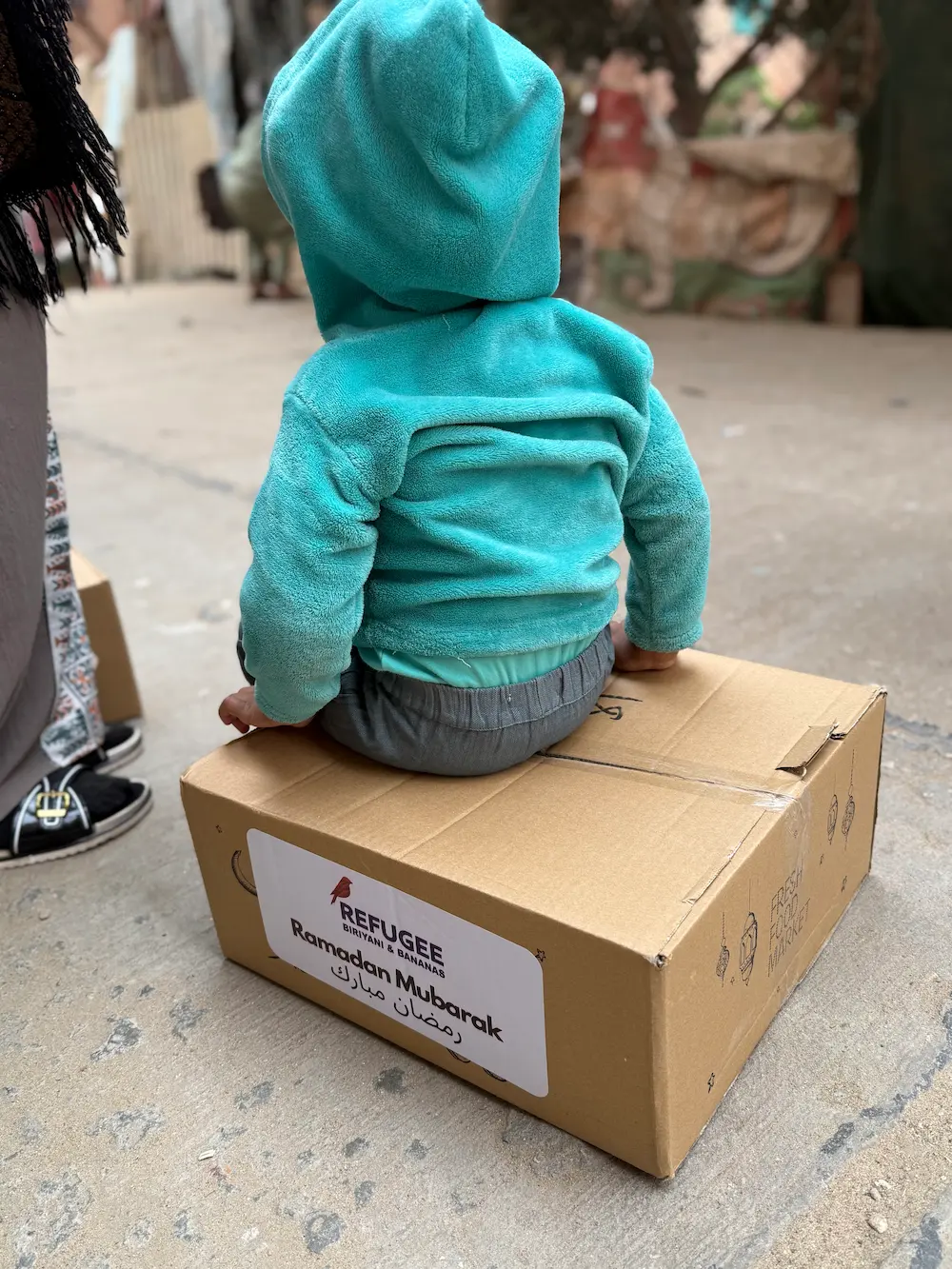
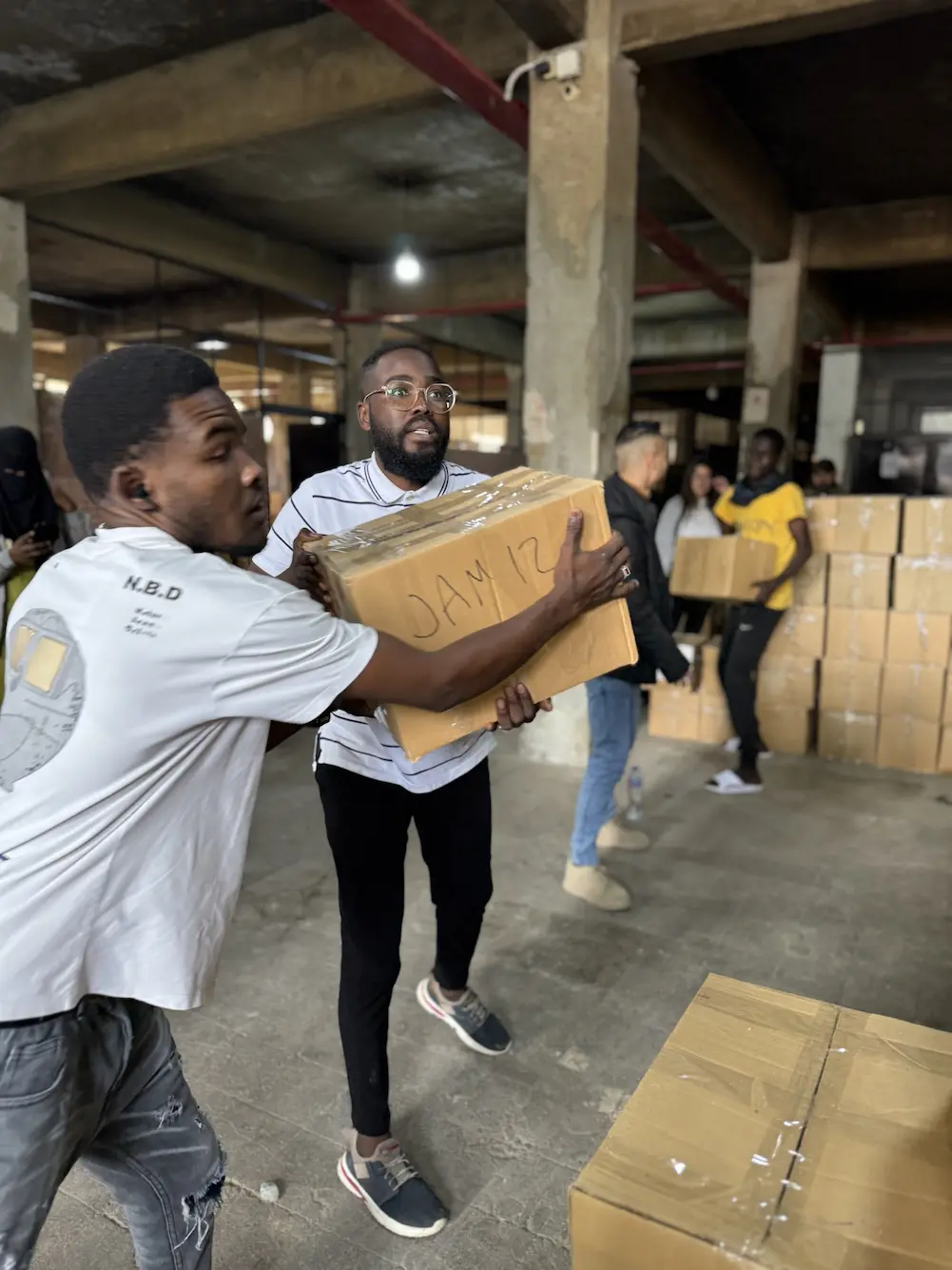
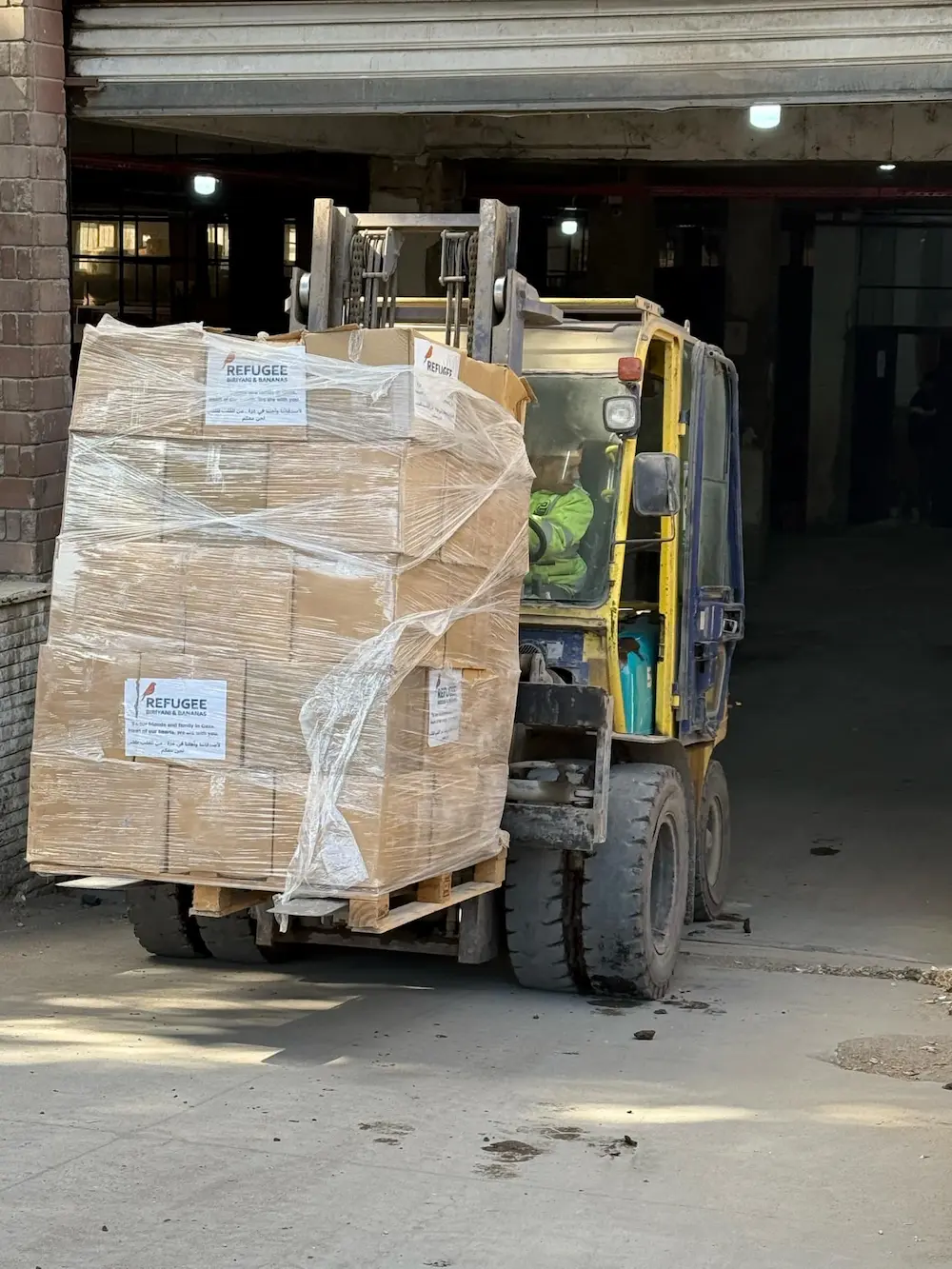
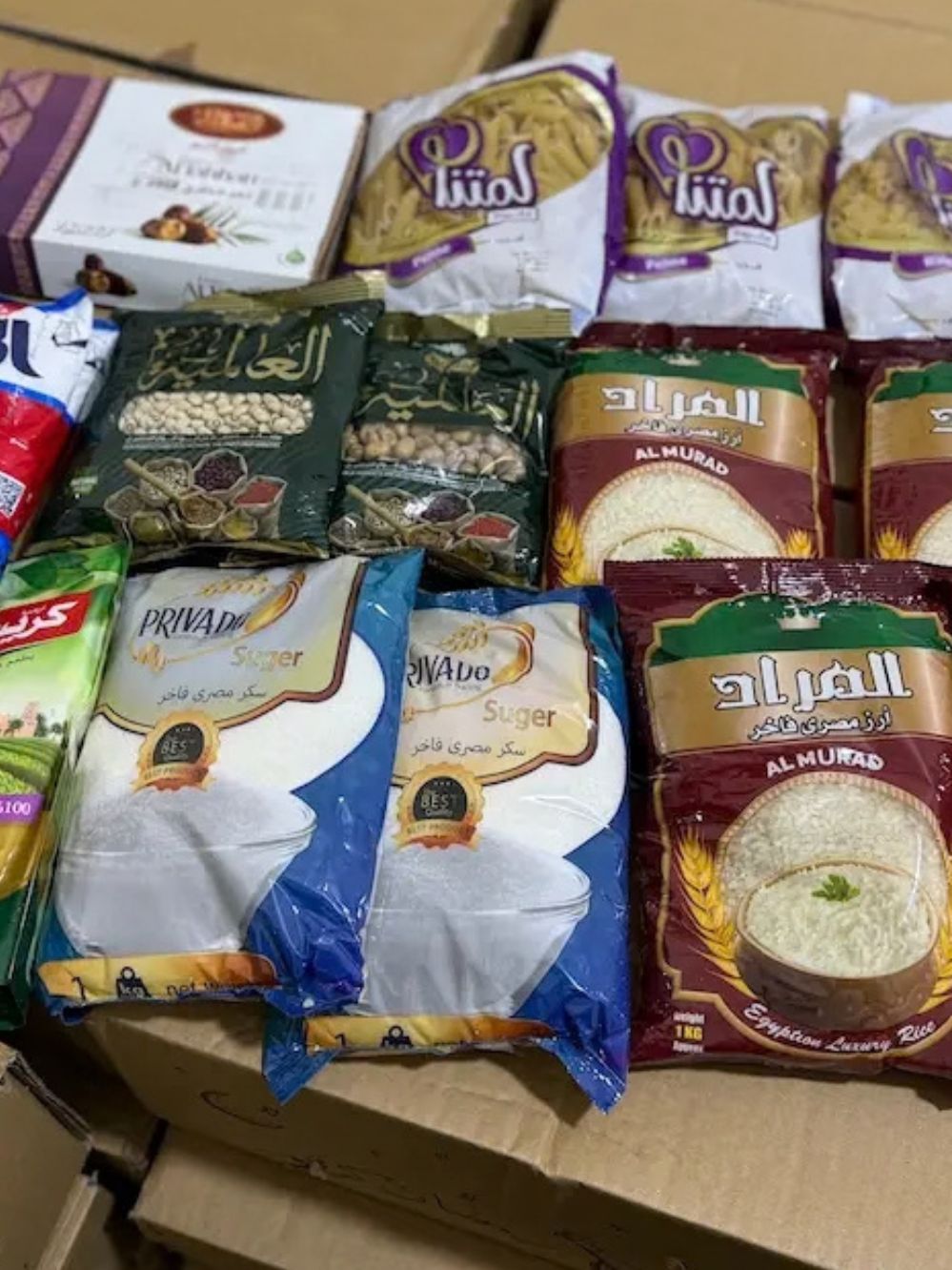
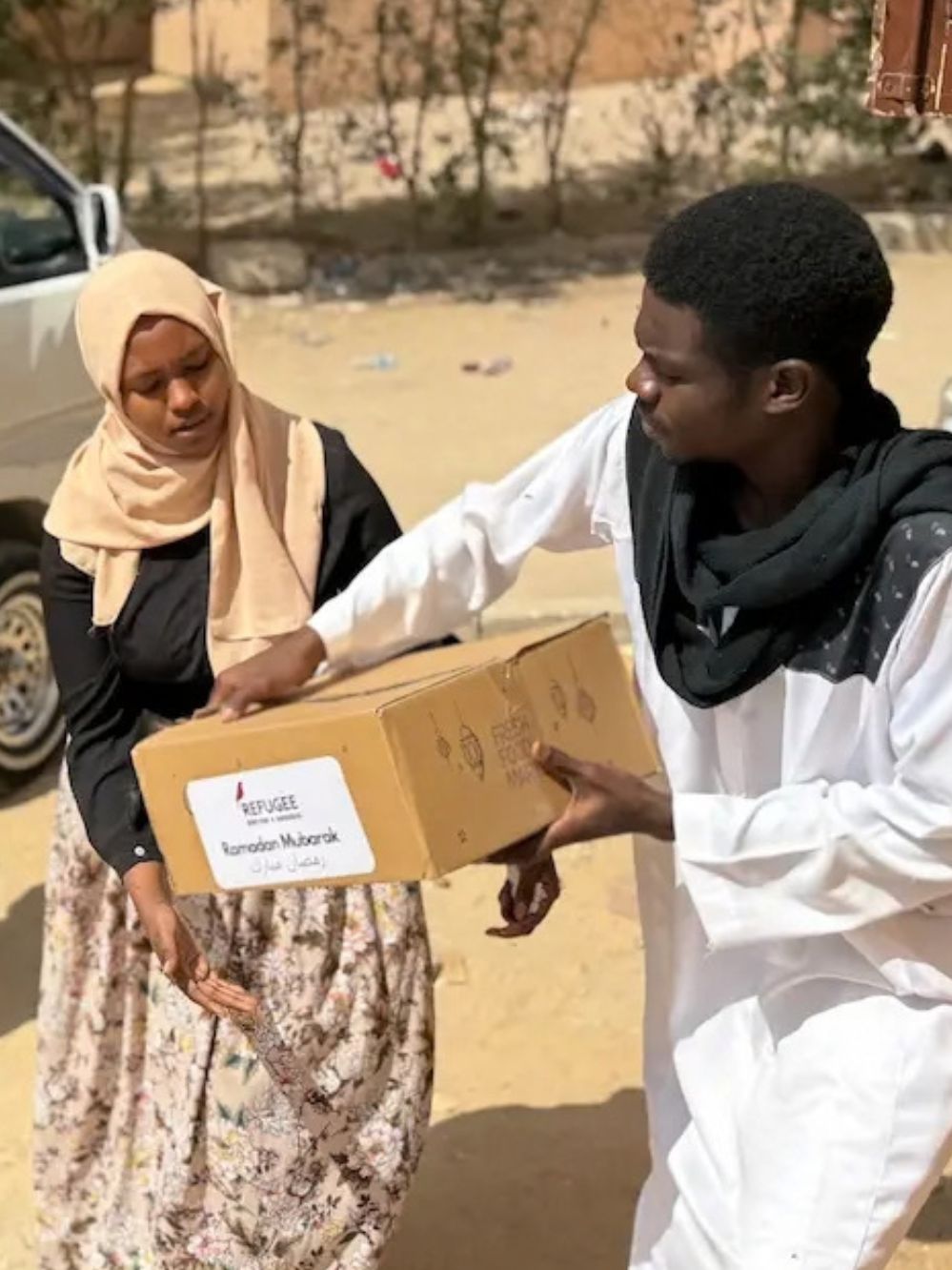
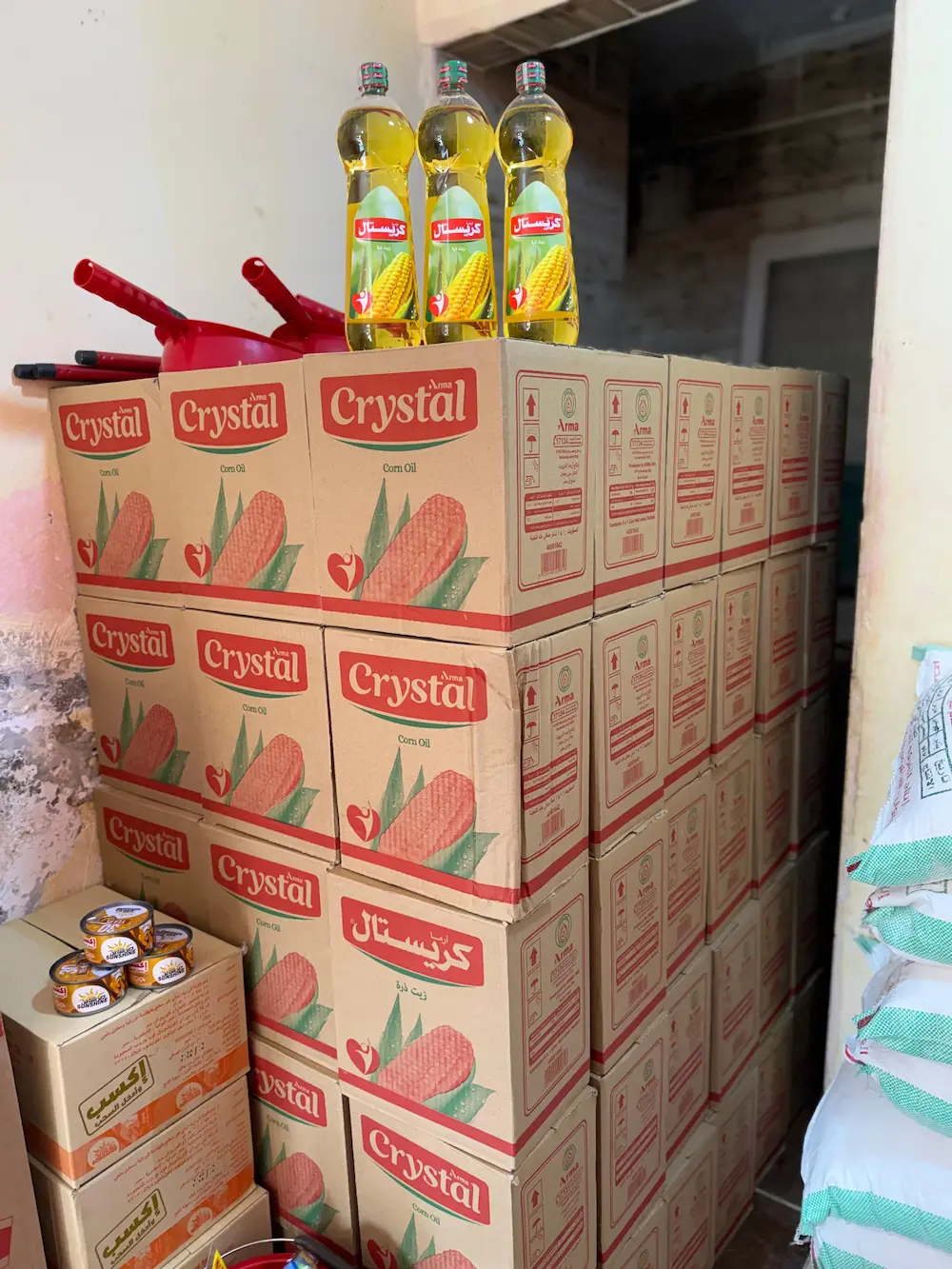
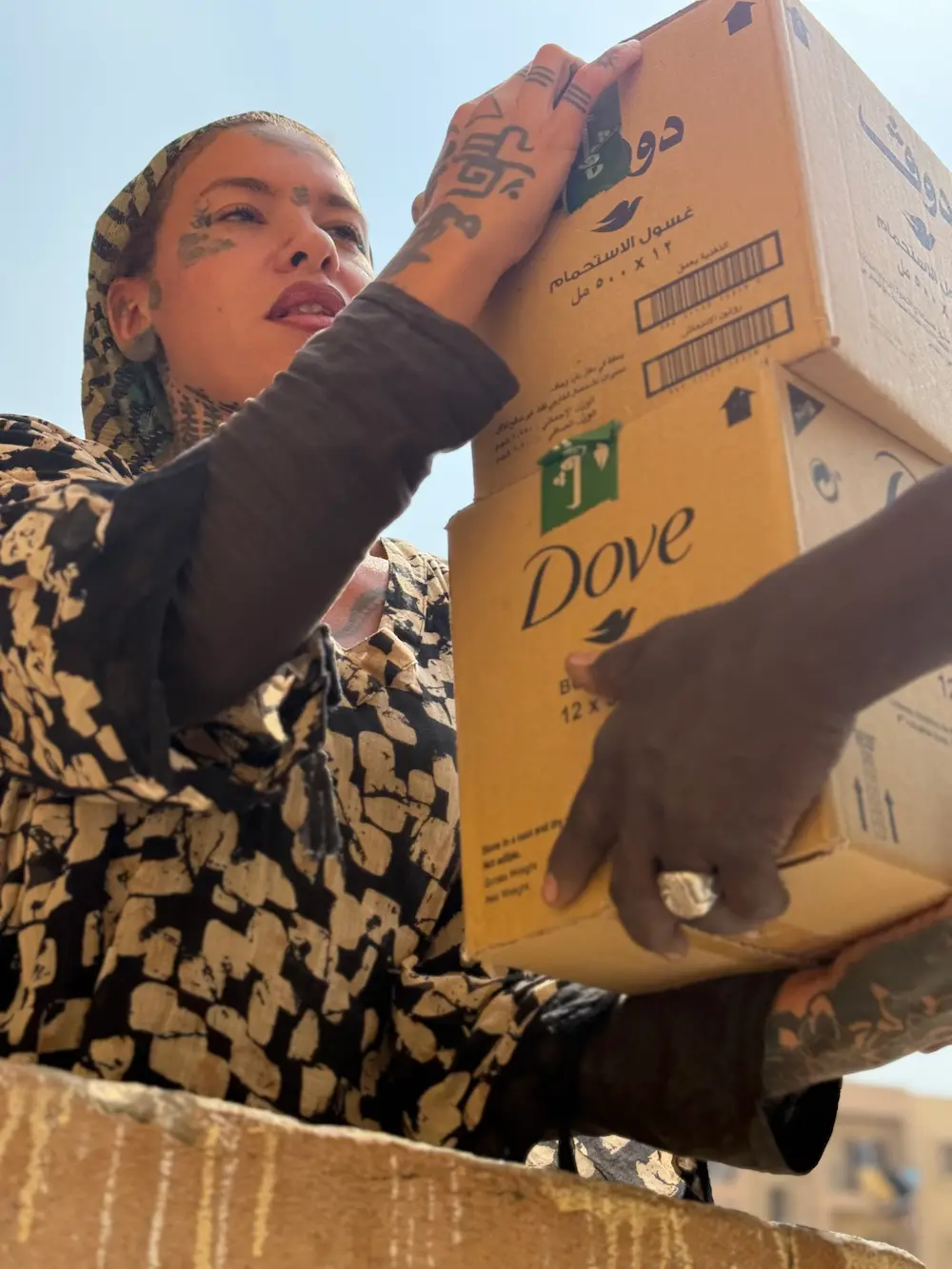
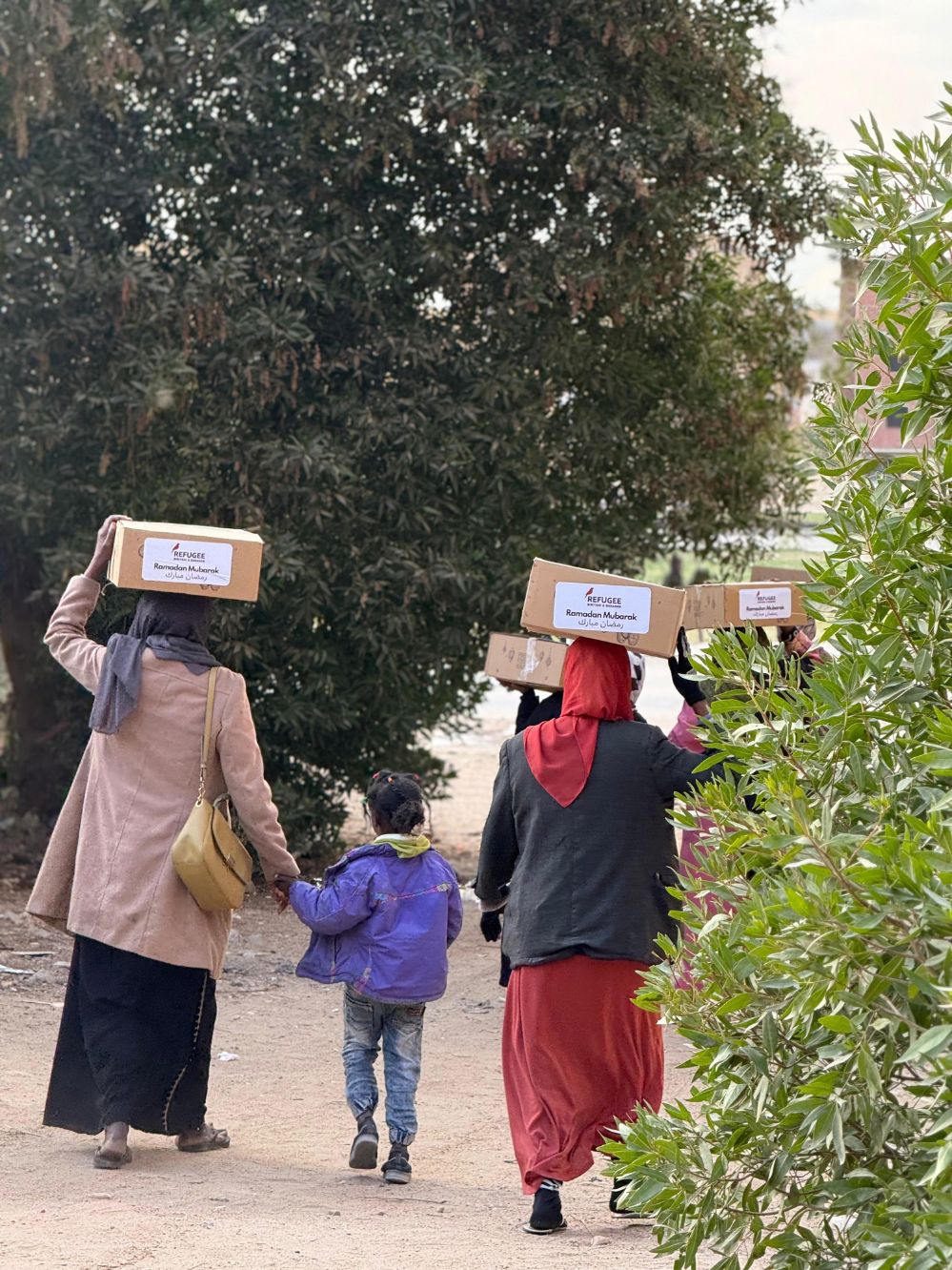
One initiative is the regular provision of food parcels and hygiene items, with an increased intensity of distribution during winter and other critical periods. Typical nutrient-dense food packs contain rice, flour, oil and lentils. Supporting social and religious celebrations are also important: RBB’s Ramadan food baskets include rice, pasta, beans and peas, cheese, cooking oil, Egyptian tea and sweet dates to break the fast—everything a family requires to cook, gather, and mark Ramadan.
On a yearly basis, our direct distributions typically reach around 12,000-15,000 people from Sudan, South Sudan, Yemen, Eritrea and elsewhere.


The Cairo emergency shelter project
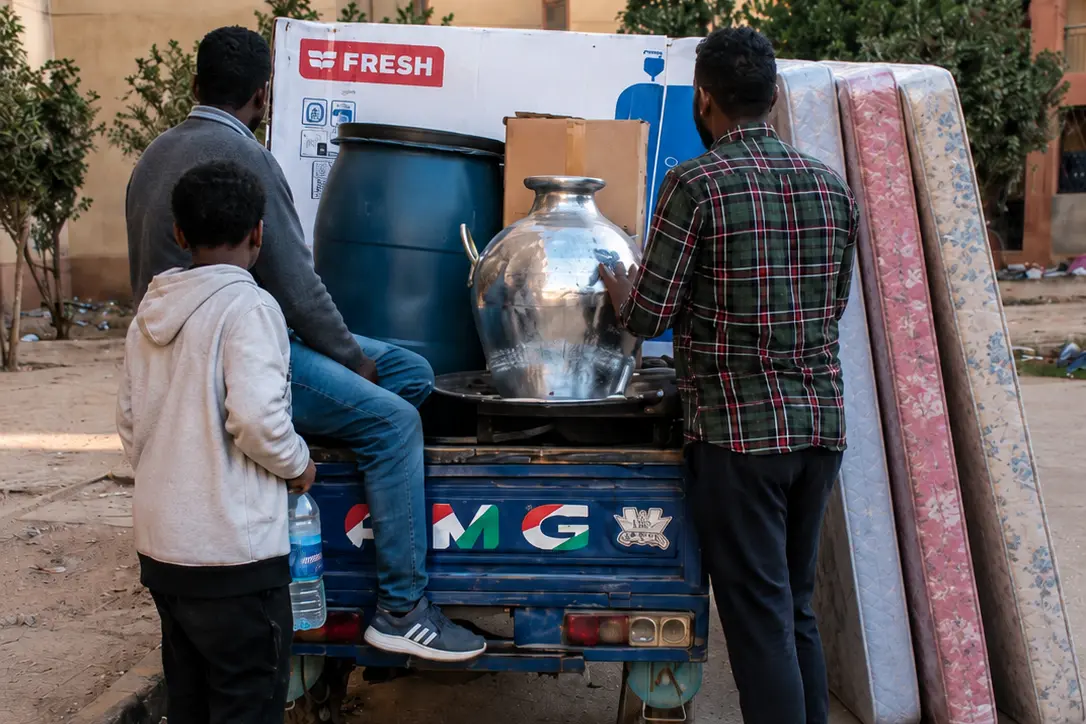
After the escalation of violence in El Fahser and growing homelessness in Cairo, with our community led partners we were able to mobilise and support an emergency shelter project for six months.
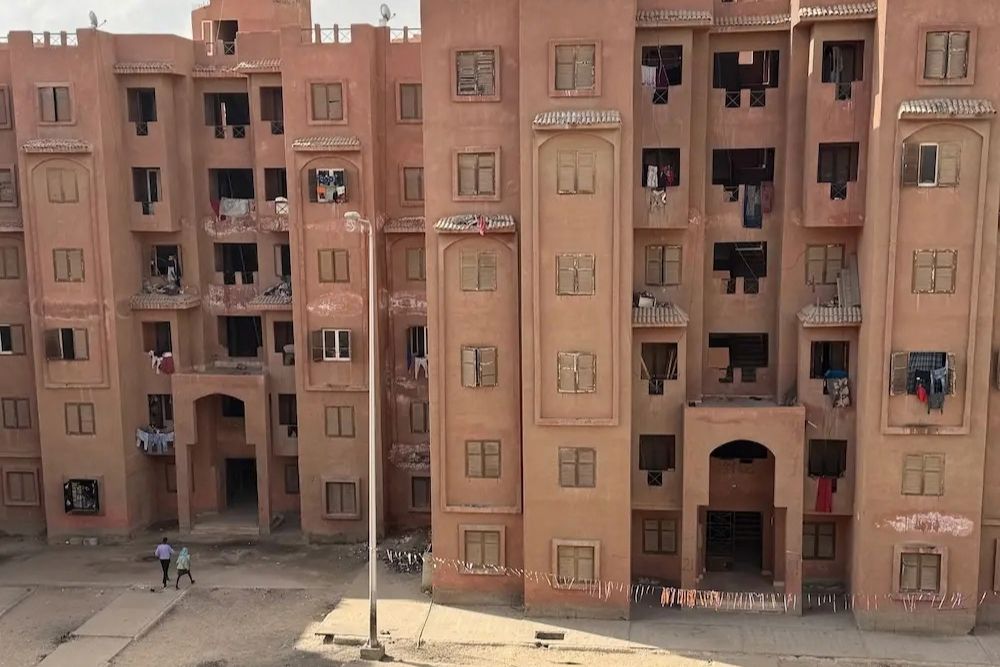
The project aimed to create a protective environment for over 1,200 men, women and children per year in the 6th of October district. A team of community leaders assessed referrals against vulnerability criteria. Priority was given to those who are waiting for registration onto the asylum seeking system and unable to access services, pregnant women, survivors of gender-based violence, disabled people and those with urgent medical issues, single mothers with small children, and the elderly. While the emergency shelter project targeted displaced Sudanese and South Sudanese individuals, it also served Eritrean, Ethiopian and Somali communities. The aim of safe accommodation is to reduce the need for begging and lower the risk of exploitation, abduction and harm.
Referrals for the emergency shelter were made via other NGOs. Self-referrals followed from outreach or came from those already accessing our partner’s centre for other services such as jobs, education or medical support. Around 20 households or families were hosted at any given period, usually for one month (or longer if illness or specific circumstances arise). A supervisory committee ensured that standards of sanitation and safe living conditions were maintained in the apartments.
RBB supplied mattresses and basic furniture, and staple foods and other items for the community kitchen. Two cooked meals were available each day for those struggling to meet their basic nutritional requirements. Hygiene items were distributed to those connected to the shelter and the kitchen initiative. RBB also contributed towards rent payments to help sustain the shelter.
Over a six month period, RBB and community partners were able to provide emergency accommodation for approximately 696 people across 145 families, and delivered more than 16,300 safe shelter nights. Most residents were women and young children, primarily from El Fasher in Sudan and from South Sudan. Many had previously slept outdoors, including outside the UNHCR office, in graveyards, or in overcrowded informal accommodation. As well as providing a safe space, additional benefits of the shelter have been increased accessibility to medical and psychosocial care, education, and longer term housing. Sessions were also provided on road safety for children and practical craft skills like sewing and crochet. We are now seeking to extend this project.
696
people accommodated
16,300+
safe shelter nights
145
families supported
Community story 1 – Family of eight supported from unsafe living conditions into emergency shelter
The shelter assessment team were informed of a family of eight including small children from South Sudan who were living in extremely unsafe conditions on a rooftop in the Osman area. The father had serious health concerns, while the family lacked stable accommodation and access to adequate support. Following an assessment, accommodation was provided through the shelter project.
The project team continued to monitor the family’s wellbeing and provided practical support through community outreach and distributions.
Community story 2 – Emergency shelter support for an older disabled woman
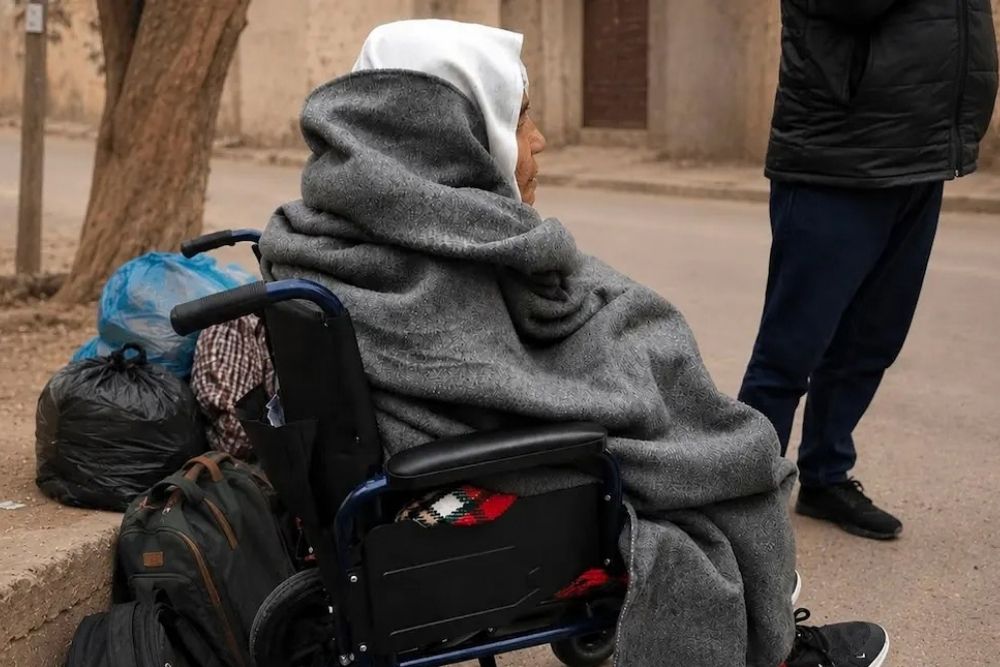
The shelter team identified an elderly woman living with a physical disability who was found to be sleeping outside the UNHCR office after arriving in Egypt from El Fasher. The woman relied on a wheelchair and faced significant mobility challenges, leaving her particularly vulnerable without safe shelter or support. Following an assessment, the team arranged emergency accommodation for her through the shelter project and ensured she was hosted in a ground-floor apartment to support her mobility and safety needs.
Volunteer engagement and leadership
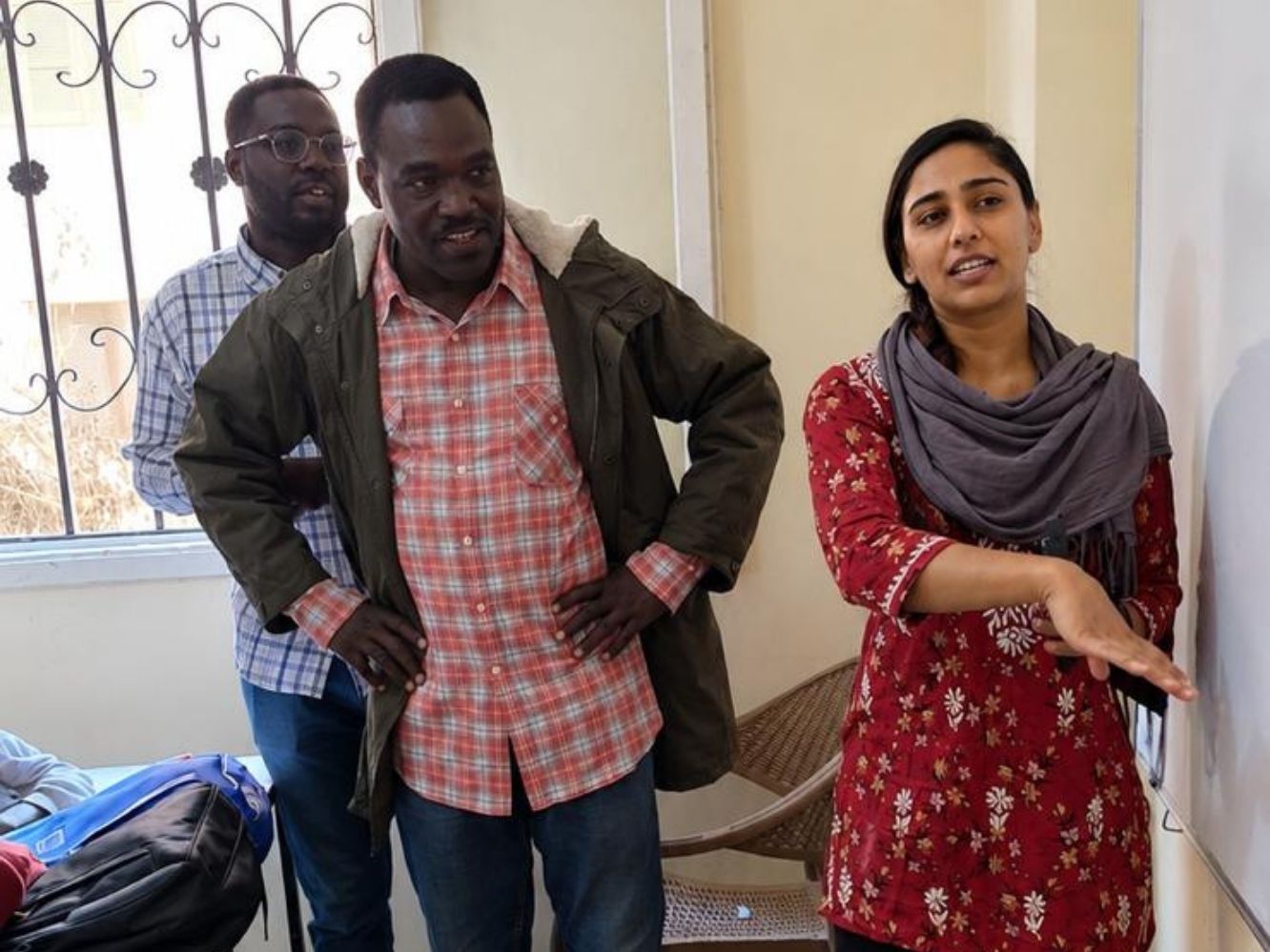
A central part of RBB’s mission is to support Sudanese people in determining their own path to recovery. This is achieved by encouraging participation particularly among the youth, with a view to creating real change. We engage and support them by presenting volunteer opportunities that allow them to contribute, gain experience, and play an active role in supporting their own communities.
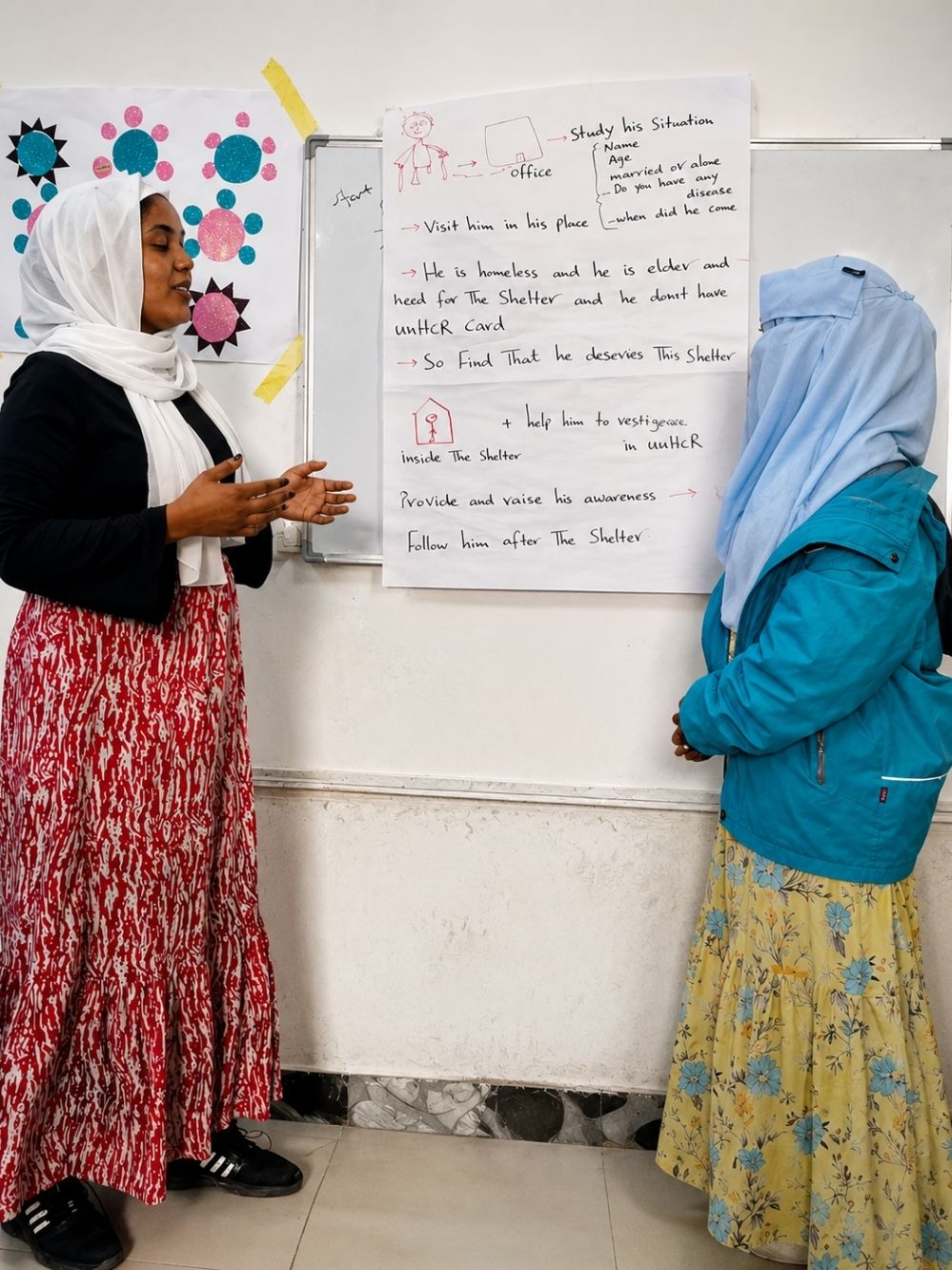
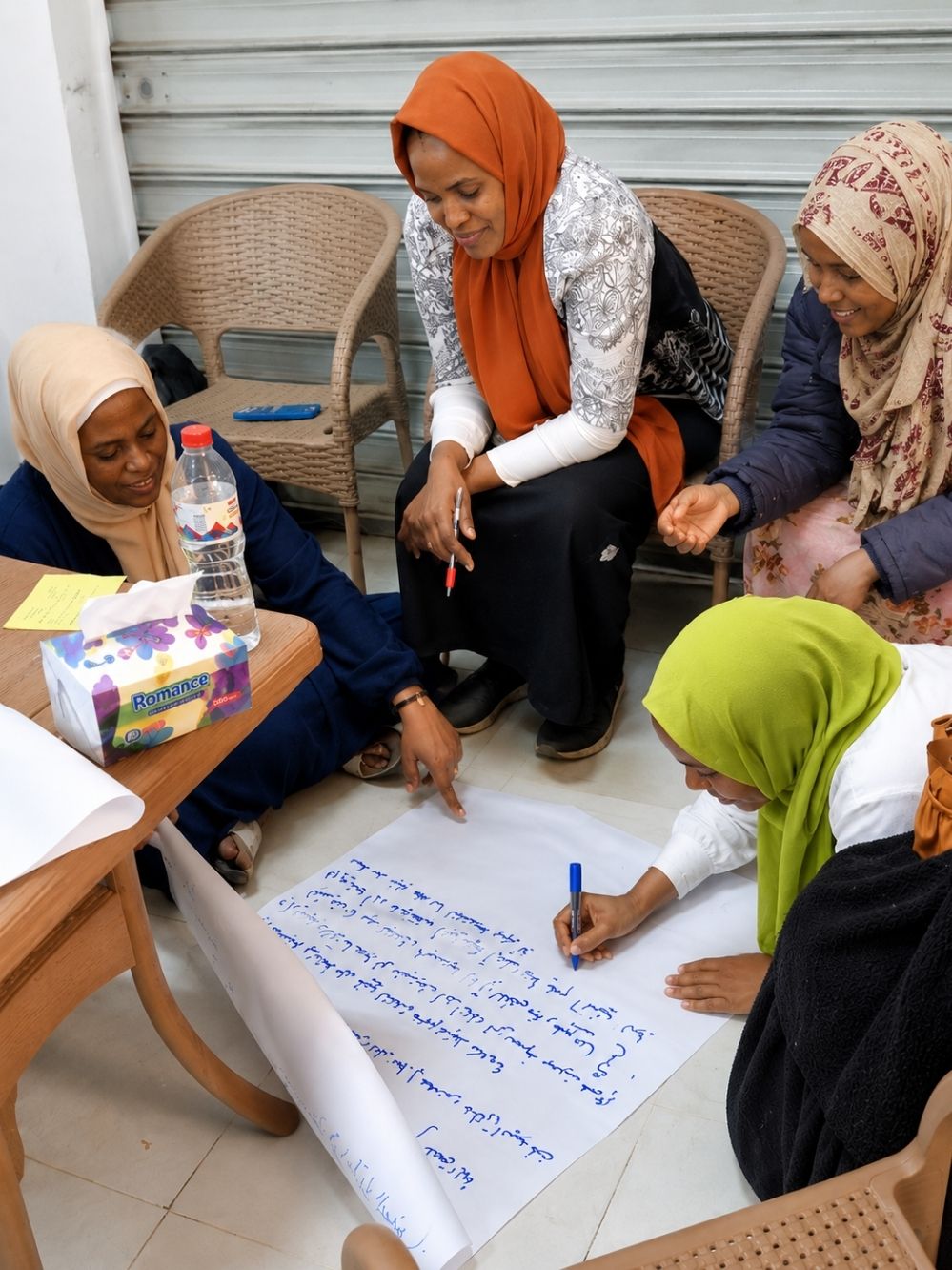
Engagement also occurs formally through the Community Humanitarian Leaders Programme. Our ongoing programme of coaching, mentoring, training and peer-to-peer learning aims to support those with lived experience of displacement, by providing the essential skills and resources for leadership. RBB supports training in humanitarian principles, aid logistics and delivery, finance, digital communications and more.
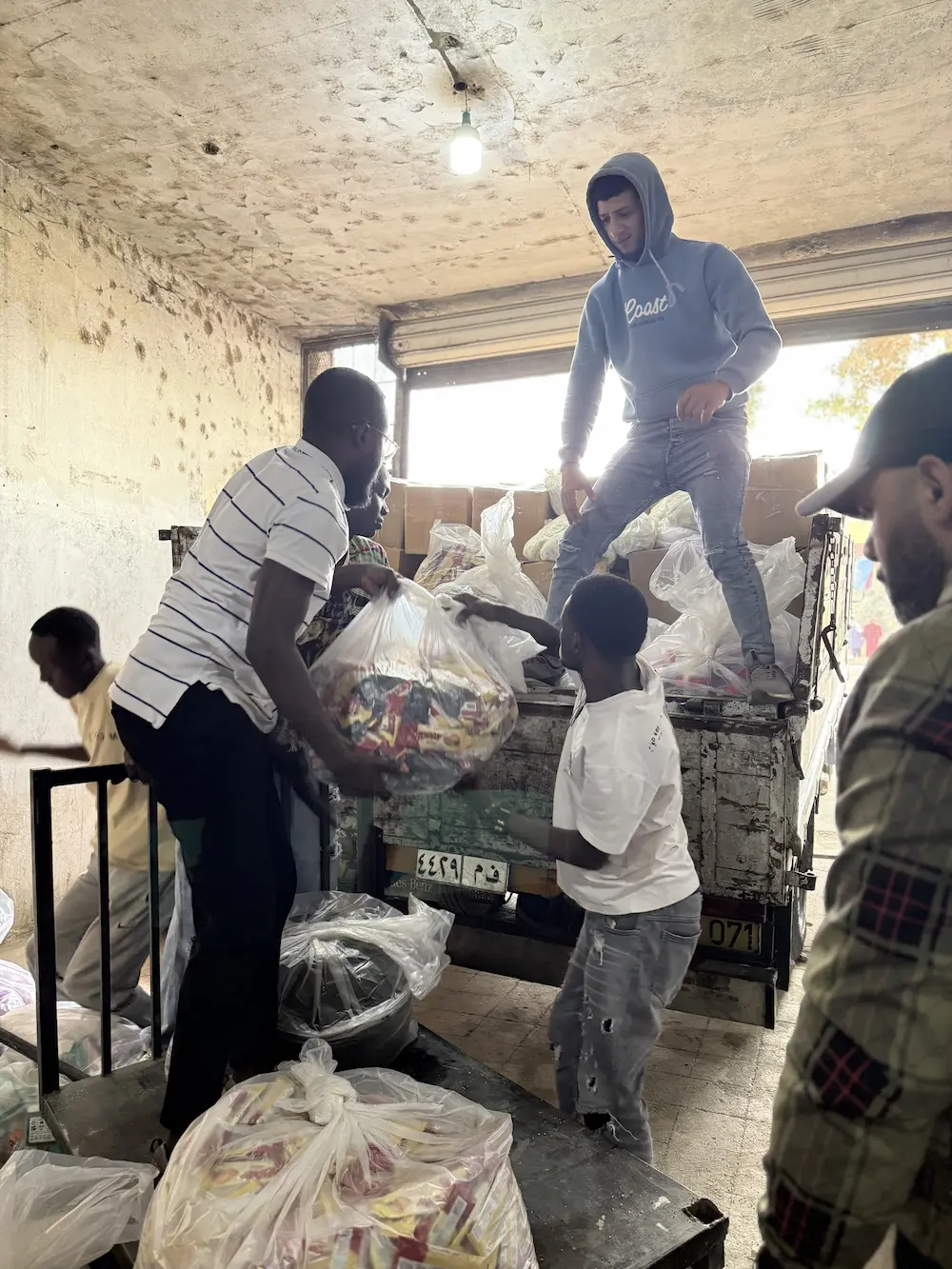
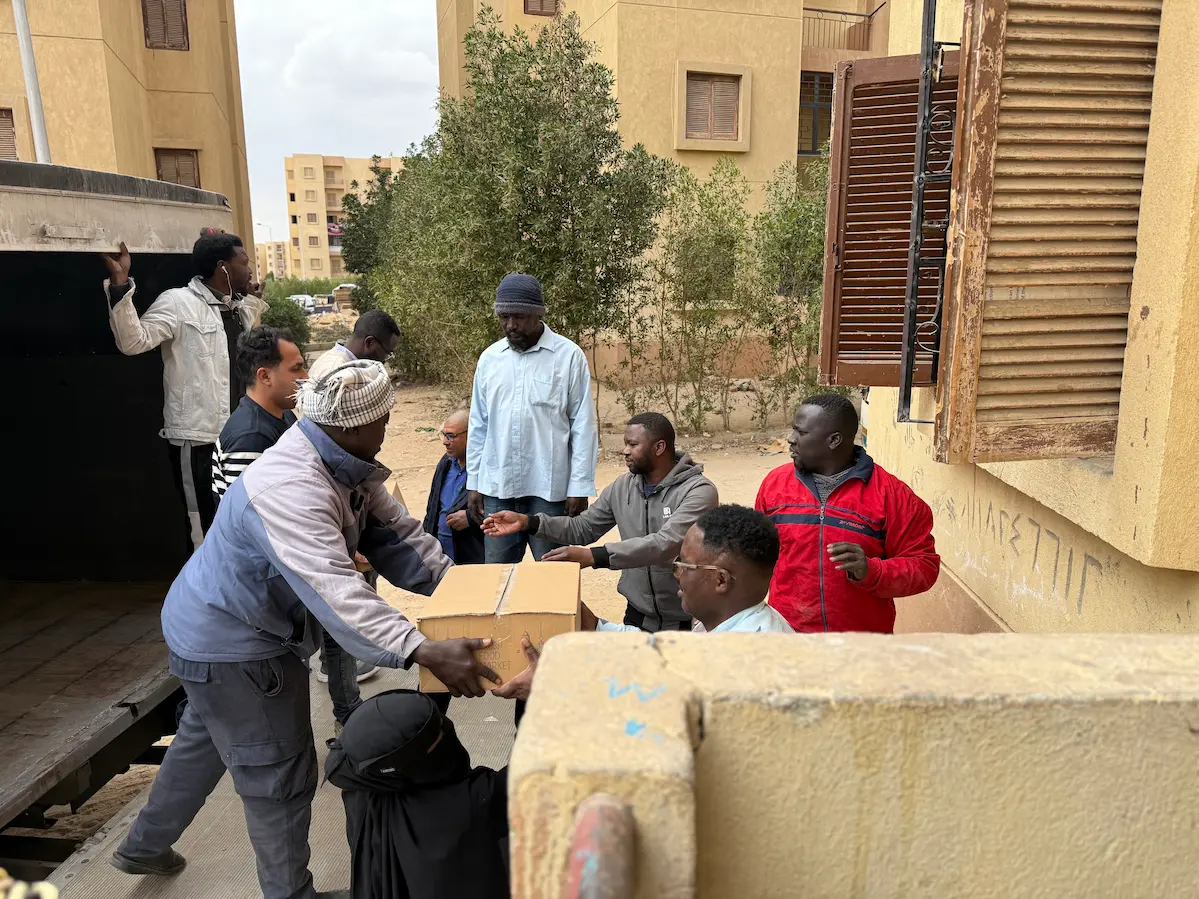
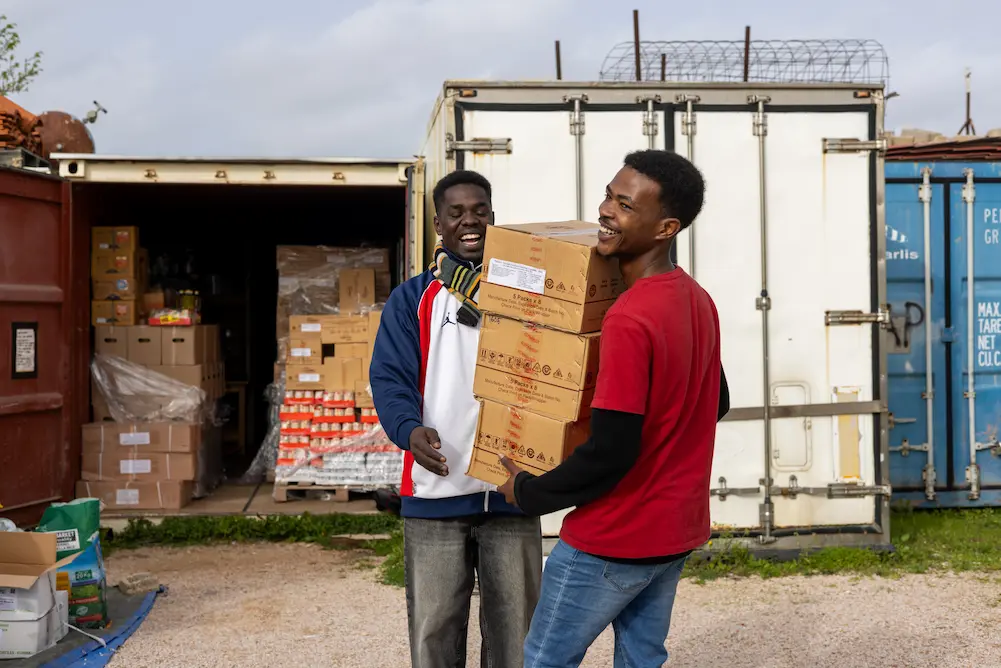
In February 2025, RBB repurposed two blocked Gaza aid trucks into a volunteer programme in Cairo, engaging around 50 Sudanese and Palestinian youth to sort, pack, and distribute 2,000 food parcels.
Many volunteers expressed how meaningful it was to give back, with some asking, “When are you coming back?” and “How can we work with you again?” For many, this was their first time actively contributing to humanitarian work rather than solely being the recipient of aid.
Helping other groups in Cairo


As well as supporting the Sudanese community, in 2023/2024 we carried out a number of needs assessments with displaced Yemeni, Djibouti and Somali people. RBB provided food distributions during Ramadan and via their community kitchen. This input has continued in the 6th of October and other areas, including Faisal and Nasr City. The regions RBB works in also house a high number of low-income Egyptian citizens, who are able to access our partner’s services.
The Sudanese community in the Greek islands
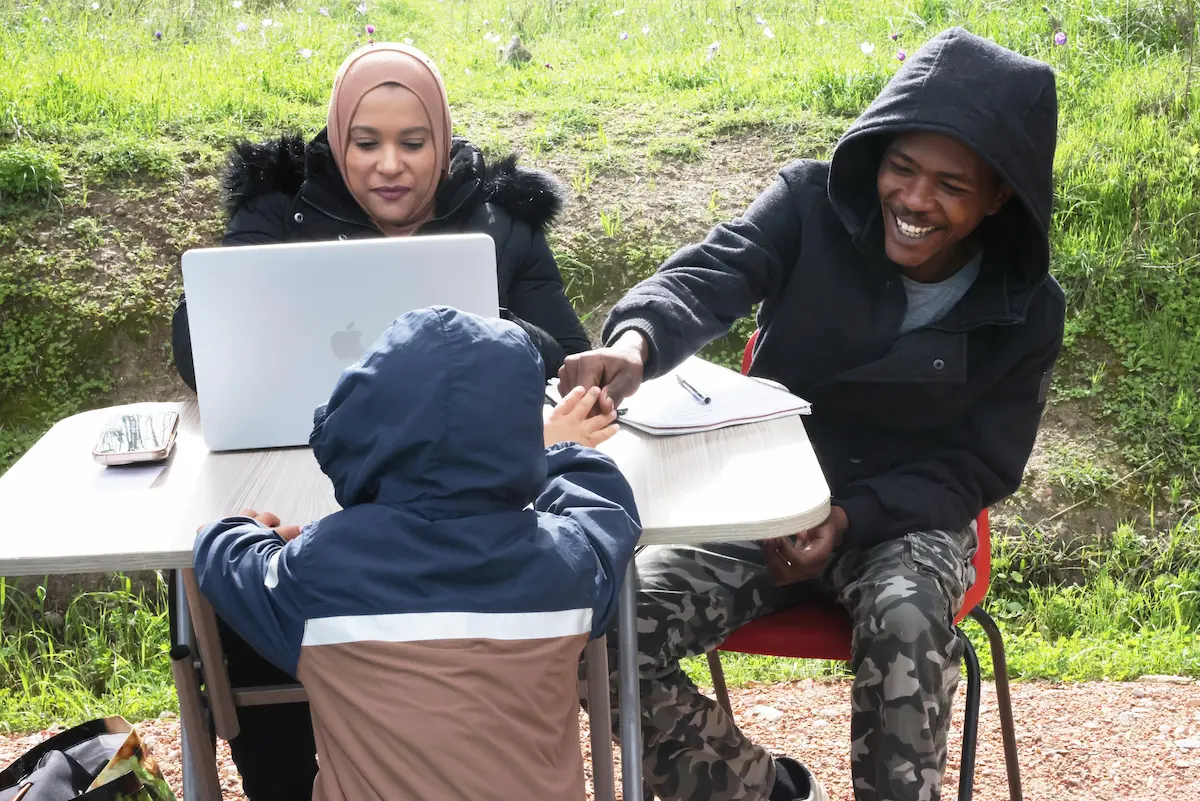
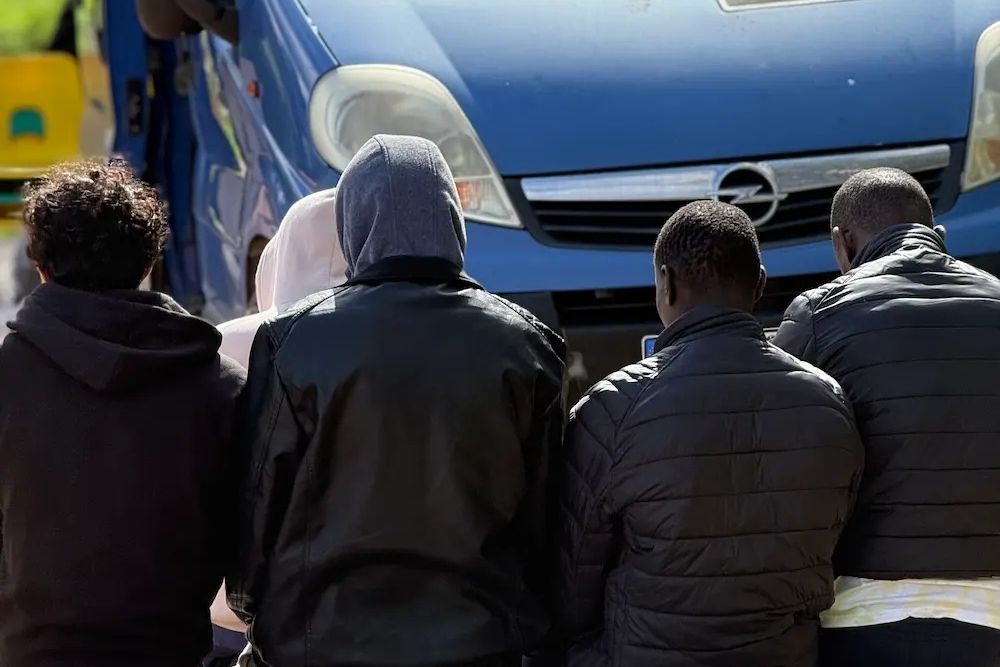
Among the four million who have fled Sudan, some have even attempted the perilous onward trip on small, overcrowded boats to major European entry points like Greece. While information is limited, estimates of arrival numbers can be derived from UNHCR data and International Organisation for Migration route monitoring statistics. Since the outbreak of war in Sudan in April 2023, between 15,000–20,000 Sudanese people are likely to have reached Greece, with numbers increasing sharply through the Libya–Crete route during 2024 and 2025. These figures do not include those on boats that may have been pushed back by the Greek coastguard—a practice denied by Greece but which has been repeatedly witnessed and documented—or have been lost at sea.
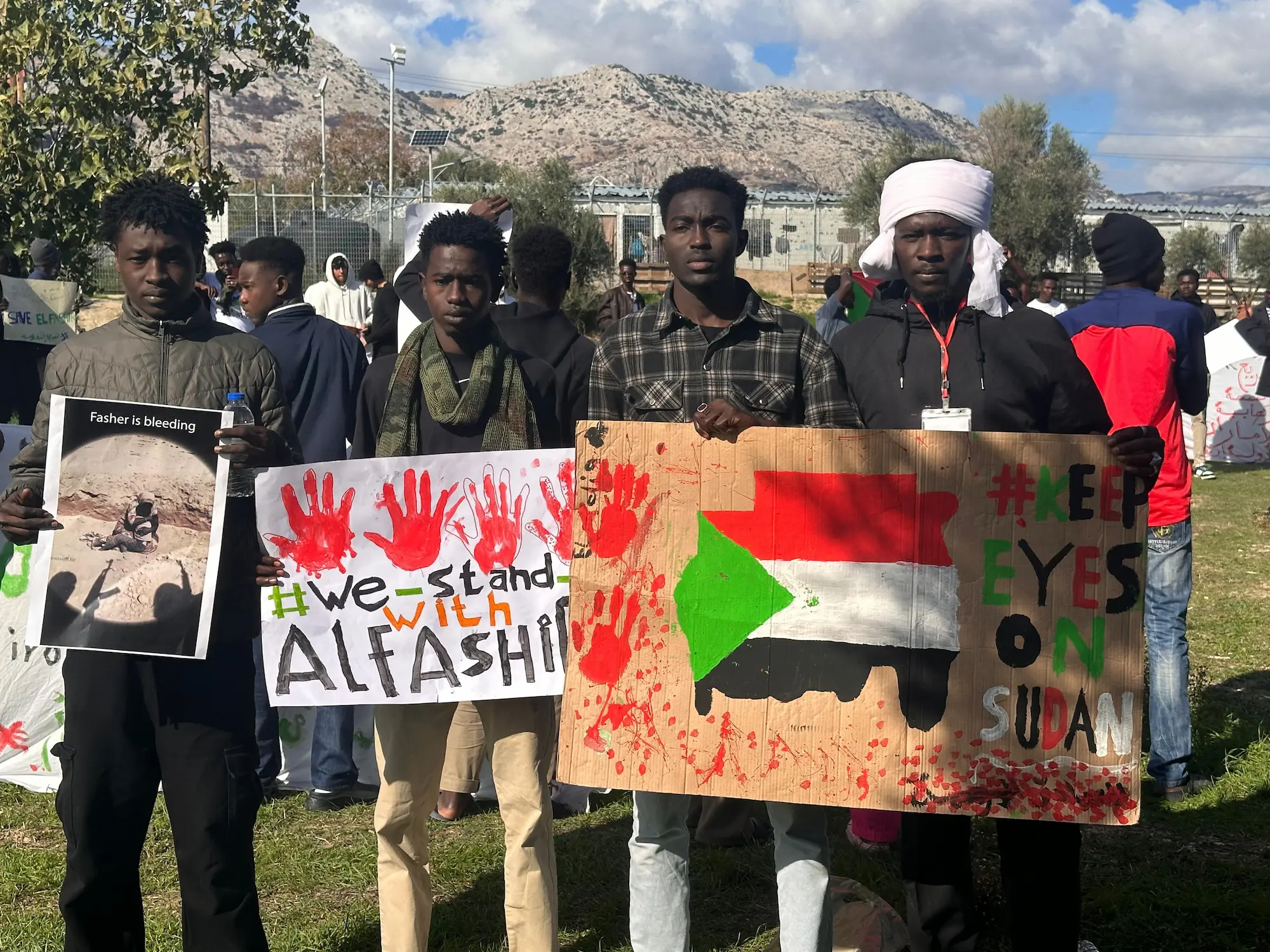
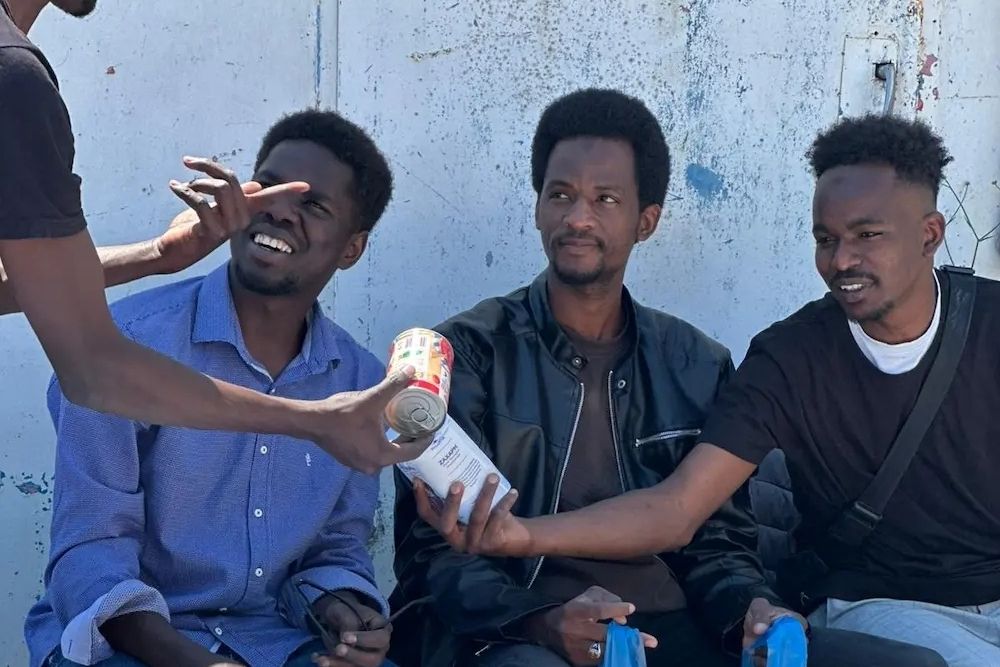
RBB has been active on the Greek island of Chios since 2017, supporting arrivals from Sudan and elsewhere. Our current focus is on regular distributions of food items, hygiene products, and winter aid. In the past we have provided shelter items, baby products, clothes and shoes and can still provide these depending on resources and emergency needs. We run a 24-hour helpline, advocacy and social support, including assistance in documenting missing persons, supporting the bereaved and coordinating funeral arrangements. Discussions with Sudanese individuals on the island gave valuable insight to the challenges and issues faced in Sudan and Egypt, allowed us to network with key organisations and community leaders and informed how we should target our work on Chios and in Cairo. Across both sites, we organise morale boosting activities for groups we are working with.
Domestic immigration law, which carries a core requirement for prior authorisation of entry into a country, clashes with international law that permits the basic human right to seek asylum when fleeing from persecution. In recent years arrivals have become increasingly at risk of criminalisation and may face long prison sentences or heavy fines. Over 2,000 people, mainly Sudanese boys and men, are estimated to be imprisoned in Greece. In conjunction with another partner, RBB supports people who have been criminalised and are in detention. Assistance may be in the form of providing physical aid or connecting individuals with legal support.



Supporting The Long Walk of Freedom for Sudan

RBB uses its platform to draw international attention to the hidden and ongoing crisis in Sudan. We also recognise the importance of every child’s right to an education, and how the Sudan conflict has led to a neglected schooling crisis. In the winter of 2025-2026, two former South Sudanese child refugees Giel Malual and John Kuei undertook “The Long Walk of Freedom for Sudan”.
Giel and John hiked 900 kilometres from Dungeness Beach to John o’Groats in 33 days to highlight the situation in Sudan and to raise funds for the construction of a primary school for Sudanese children in a Chad refugee camp. RBB were proud to support the pair in their cause by publicising their journey as they passed through northern England and to act as an organisational bridge, connecting them with relevant bodies to help them register as a charity. RBB ambassador, author and refugee rights advocate Gulwali Passarlay also supported Giel and John for part of the way. Having raised over three times their original target, there is now the possibility to build more than one school.
A community story from Cairo
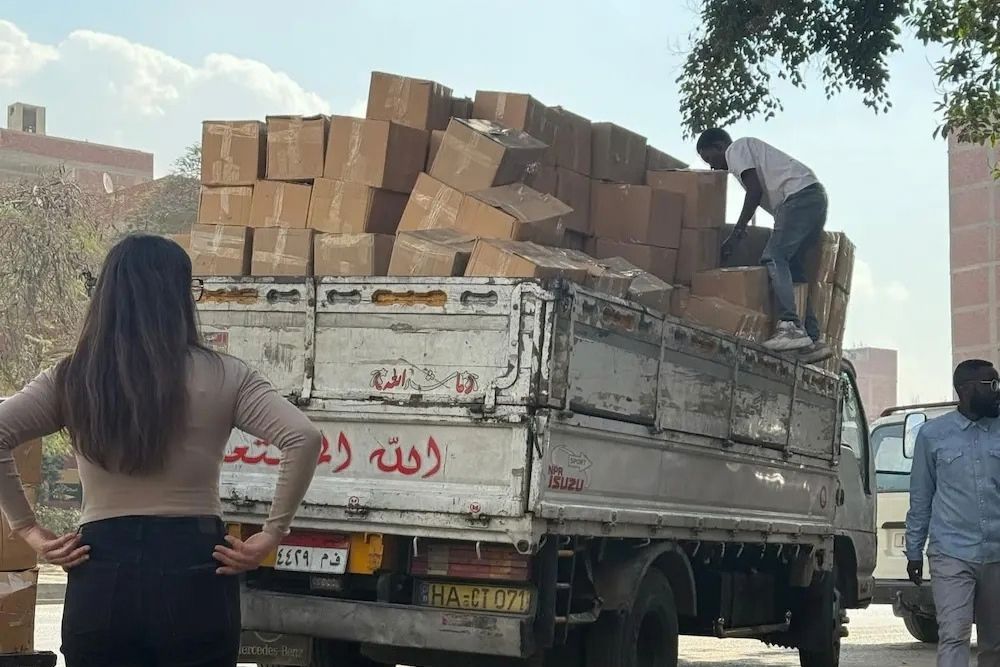
When two RBB aid trucks destined for Gaza were turned back at the border, the team returned to Cairo with no clear plan. A kind local couple offered the use of a warehouse, but the situation felt uncertain and the scale of the work ahead was unknown. However, we knew the aid could not go to waste. It was urgently needed, and we were determined to get it to people who had already been overlooked by many systems of support. The night before the aid distribution was due to begin, there weren’t enough people to help. Even the following morning, only around ten volunteers were expected.
Then something powerful happened. Word spread between community leaders and in group chats. Youth began showing up, some in groups of 15, in pairs alone. A few arrived alone. In the end, nearly 50 volunteers took part, the majority of them Sudanese, alongside Palestinian, Egyptian, and others. Together, we sorted, packed, and distributed 2,000 food parcels to displaced communities across Cairo. This wasn’t just an emergency response. It became a grassroots, youth-led volunteer programme shaped by people with the same lived experiences as those being supported.
As one volunteer commented: “We’ve been helped before. Now it’s our turn to assist others.”